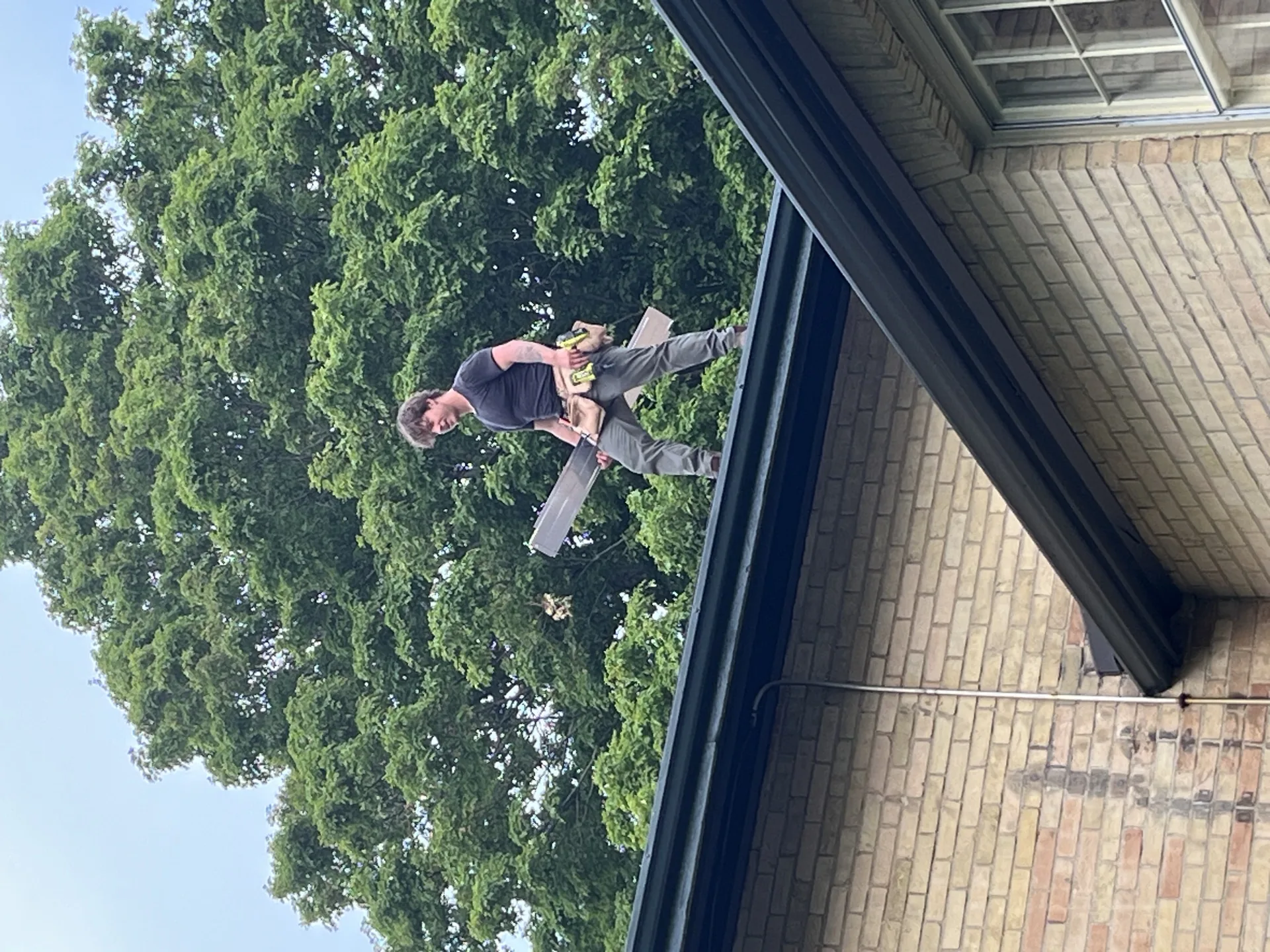
A guard that leaves a gap at the roof edge or the end of a run can turn into a nesting spot. Here is how to spot the early signs, close the entry points and deal with an active nest without harming animals or yourself.
In This Article
Who moves in, and why the gap appeals
A dry, sheltered pocket close to a food source is exactly what many small animals look for in spring. The space between a guard and the roof edge, or the open end of a run, can supply it.
- Birds such as sparrows and starlings favour gaps they can carry straw and twigs into.
- Squirrels and chipmunks look for warm cavities, and they chew to enlarge a way in.
- Mice follow narrow gaps along the roofline into the soffit or attic.
- Wasps build paper nests under overhangs and in sheltered corners from late spring on.
Debris makes it worse. Leaves, needles and seeds packed against a guard are ready-made nesting material.
How a guard can help or hurt
A guard is not automatically good or bad here. A tight, well-closed guard keeps birds from nesting in the open trough and blocks much of the debris they build with. A loose one, with a gap at the roof edge, creates a covered cavity that is sheltered from rain and from predators, which is exactly what nesters want.
Inserts such as foam or brush can hold debris that mice and birds use as bedding. So the answer lies in the details of the fit, not in whether you have a guard at all.
Tired of cleaning gutters twice a year?
We install premium gutter guards on homes across Kitchener, Waterloo, Cambridge & Guelph. Free, no-obligation quotes, ready within 1 business day.
Signs you can spot from the ground
- Twigs, straw or moss sticking out at the end of a guard run
- Droppings or staining on the siding beneath the eave
- Chirping, scratching or rustling near the eave at dawn and dusk
- Wasps flying steadily to and from one spot
- Fluff or shredded material in the trough
- Gnawed or bent edges on the guard
Look with binoculars, and do it early in the year. Early March to April, before the nesting season gets going, is the easiest time to close gaps without disturbing anything.
Closing the entry points
- Look for daylight. Where the guard meets the roof edge, or at the end of a run, any visible gap is a doorway.
- Fit end caps and closures. Ask the installer how the ends and the roof-edge gap are closed, and get the answer in writing.
- Repair the roofline. Rotten fascia and open soffit joints are easy ways in. Use metal flashing or mesh, not foam alone, which animals chew through.
- Leave soffit vents open. The attic needs the airflow, so screen them, but do not block them.
- Trim branches that bridge to the roof, since squirrels use them as ramps.
- Clear debris from the guard surface so there is no nesting material lying around.
Never seal a gap that is occupied. Watch at dawn or dusk for adults coming and going before you close anything.
If something already lives there
In Canada, the active nests of many native birds are protected, and some bat species are protected in Ontario. Do not remove a nest or seal a gap while it is in use. Rules change, so check current provincial guidance or ask a licensed wildlife professional.
- Birds: leave the nest until the young have fledged, then clean the area and close the gap.
- Wasps: never spray from a ladder. Keep well back and call a pest-control professional.
- Squirrels, raccoons and mice: call a licensed wildlife control operator who uses humane methods.
- Bats: do not disturb or seal the opening. Get professional advice first.
When you clean out old nesting material later, wear gloves and a dust mask. Droppings and old nests can carry germs.
Where a crew fits in
When you ask for a guard quote, add one question: how will the ends and the roof-edge gap be closed? D&D Home Services quotes several guard types across Kitchener, Waterloo, Cambridge and Guelph, and quotes are free and confirmed in writing before work begins, so the answer can go into the document. See gutter guard installation, and read how to keep birds out of gutters for more on birds specifically. A clear trough also gives animals less to work with, which is where gutter cleaning helps.
Key Takeaways
- Gaps at guard ends and along the roof edge attract nesting birds, squirrels, mice and wasps, especially when debris supplies the nesting material.
- Look for twigs, droppings, scratching and wasp traffic from the ground, and close gaps in early spring before nesting starts.
- Never seal or remove an occupied nest, since active bird nests and some bats are protected, and call a wildlife professional for mammals and wasps.
- Ask any installer how the run ends and the roof-edge gap will be closed, and get the answer in writing.

Request a home-service quote
Select the service you need and describe the work area and access.