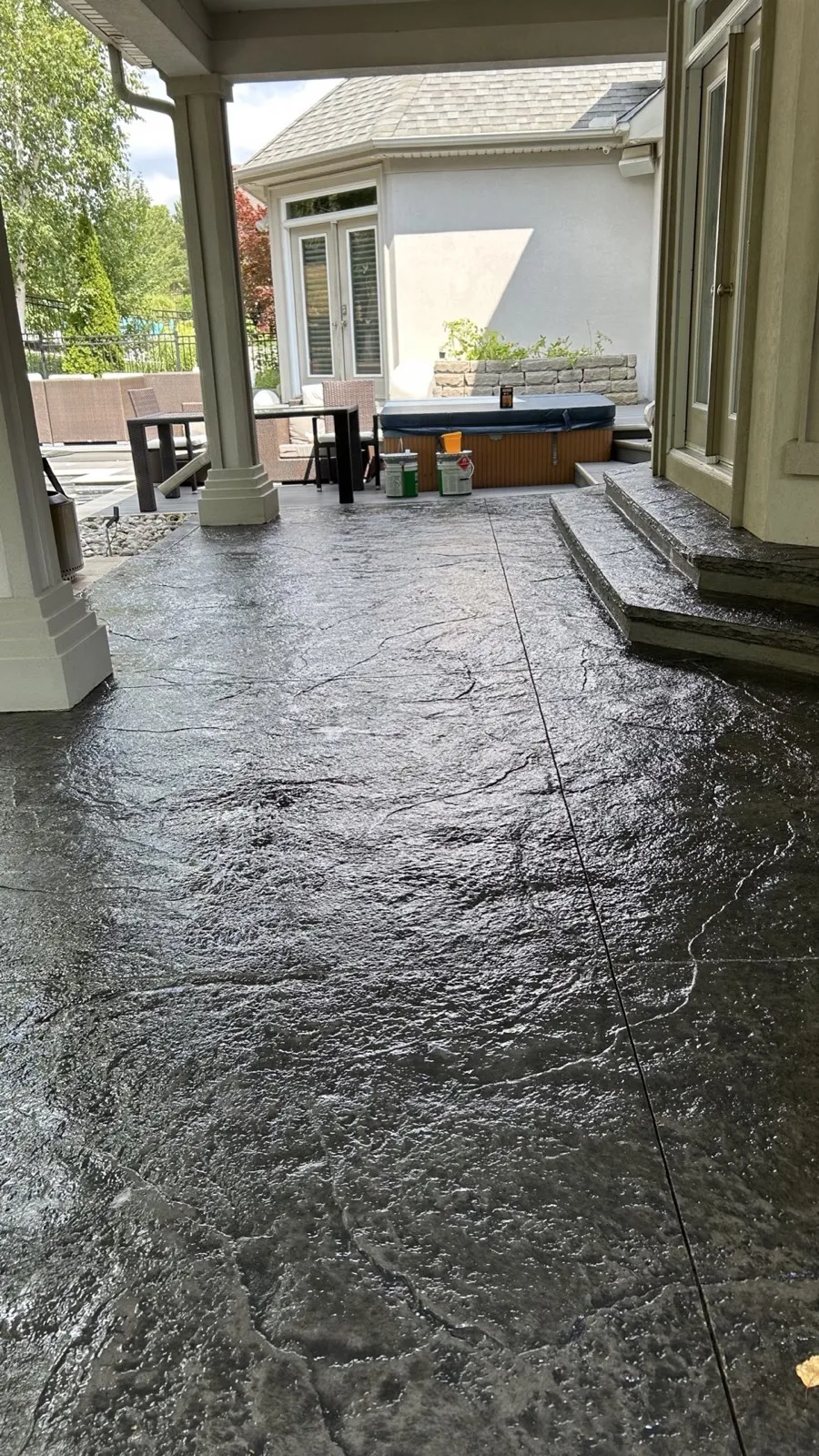
Spring is the time to read what winter did to your driveway, long before it is time to seal it. This walk-around shows eight signs to look for, what each one means and how to sort repairs from sealing.
In This Article
When to walk the driveway, and what to bring
Wait until the frost is out of the ground, the puddles are gone and the pavement has had a few dry days. Walking a soggy driveway in late winter shows you the mud but hides the cracks. Pick a mild midday when the light is low enough to show small height changes, and bring five things: a piece of chalk, a broom, a tape measure, a phone for photographs and a notebook.
Sweep first. Winter leaves a crust of sand, grit and salt residue, and it hides fine cracks. Sweep it up and bag it or spread it on a garden bed instead of washing it toward the storm drain.
Eight winter signs and what they mean
| Sign | Likely winter cause | Fix before sealing? |
|---|---|---|
| New hairline cracks, or old cracks now wider | Freeze-thaw cycles working water into gaps | Yes, fill anything a fingernail can enter |
| Potholes or crumbling patches | Water under the surface, broken up by traffic | Yes, patch them first |
| Loose stone and ragged edges | Plow blades, salt and thaw water | Sweep, then patch the edge if it is breaking away |
| Scrapes and gouges | Snow-clearing blades set too low | Check for lifted pieces and fill if needed |
| Sunken or heaved areas | Frost heave, or settling of the base | Repair, since sealing will not level them |
| Puddles that linger after rain | Low spots from settling | Note them, since coatings do not fix slope |
| White crust of salt and sand | De-icers and traction grit | Sweep and rinse before any cleaning |
| Dark stains that appeared as the snow melted | Oil or fuel that was hidden under snow | Yes, treat before sealing |
Want your exact driveway sealing price?
Skip the guesswork, we quote your actual driveway, itemized line by line, free and no-obligation. Serving Kitchener, Waterloo, Cambridge & Guelph, with quotes ready within 1 business day.
Where winter damage usually starts
Damage rarely spreads evenly. Start your walk at these places, because they take the hardest winter.
- The apron by the street. Plows and passing traffic push heavy, salty slush onto it, and it carries the first tyre load of every trip.
- Edges beside lawn and garden beds. Meltwater and soil work at the outer strip, and an unsupported edge breaks away first.
- Under a downspout or roof edge. Snowmelt from the roof lands in the same place all winter and freezes overnight. If a downspout empties onto the pavement, read about downspout extensions for Ontario homes.
- The low corner. Water collects, freezes and thaws there more times than anywhere else.
- Shaded strips on the north side. They stay damp and icy for weeks after the sunny half has dried.
Mark, photograph and sort into three piles
Circle each problem in chalk and photograph it with the tape measure beside it. Then sort your findings.
- Fix now: potholes, loose pieces and trip hazards. They get worse every time it rains, and the fix is cheaper early.
- Fix before you seal: cracks, oil stains and ragged edges. The coating has to go over sound, clean pavement.
- Not a sealing job: heaves, deep dips and webs of cracks that flex underfoot. Those point to the base, and a coat over them only hides the trouble.
The photos let you compare next spring, and they give any contractor something concrete to look at. The guide to crack filling before sealing explains why the second pile matters so much.
Why the coat itself can wait
Early spring is a good season for repairs and a poor one for a coat. Nights often sit near freezing, mornings are damp and the pavement may not have dried through. A sealer needs the temperatures and dry days its label sets, and a fresh coat caught by a late frost or a cold rain can fail.
Use spring for the walk-around, the repairs and the booking, then wait for a settled forecast. The best time to seal a driveway in Ontario covers the timing in detail.
Getting a second opinion
If your notes leave you unsure, send the photos with a description to a contractor and ask for a written scope that separates repairs from coating. D&D Home Services offers driveway sealing with free quotes for Kitchener, Waterloo, Cambridge and Guelph, confirmed in writing before work begins. Booking in spring, while you still have your notes, gives you a choice of dates when the weather does settle.
Key Takeaways
- Walk the driveway after the frost is out and a few dry days have passed, and sweep off winter grit first.
- Cracks, potholes, ragged edges and oil stains need repair before sealing, while heaves and dips point to the base and will not be fixed by a coat.
- Chalk and photograph each problem, then sort them into fix now, fix before sealing and not a sealing job.
- Early spring suits repairs and booking, but a coat should wait for temperatures and a dry forecast that match the label.

Request a home-service quote
Select the service you need and describe the work area and access.