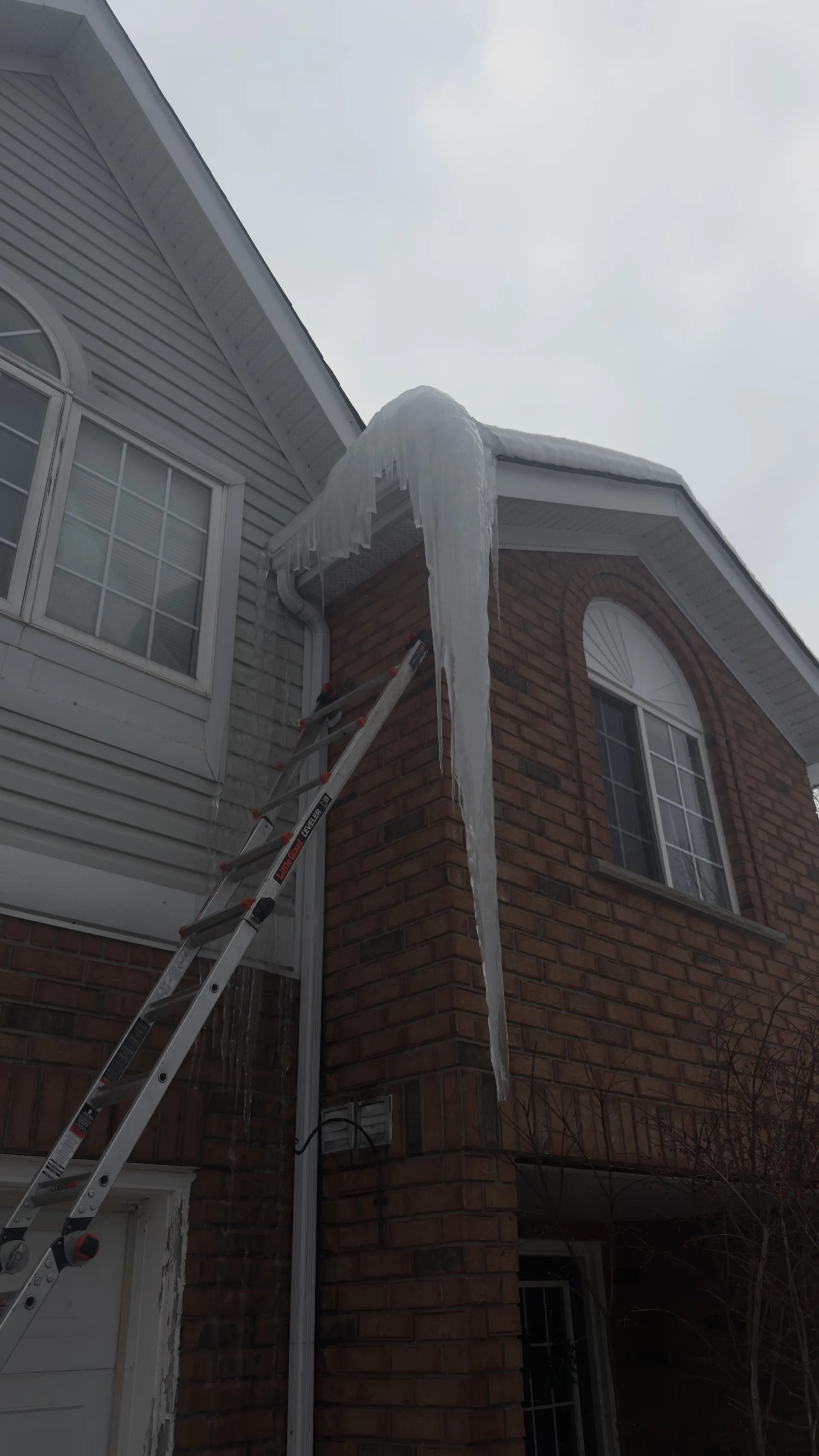
No Ontario law says a homeowner must hire a snow contractor, but the duty of care cannot be skipped, and a storm tests it at six in the morning. This general guide, which is not legal advice, sets out what the duty asks, where a do-it-yourself routine breaks down, what a professional adds and what to do if someone falls.
In This Article
What the duty of care asks
Ontario's Occupiers' Liability Act asks an occupier of premises to take the care that is reasonable in the circumstances to see that people entering are reasonably safe. That covers visitors, delivery drivers and meter readers as well as family. It asks for reasonable care, not perfection, and it names no magic hour for clearing. What counts is what you did, and how promptly, given the weather at the time.
An occupier is the person who controls the premises. For an owner-occupied home that is you, and a tenant can be an occupier too. If you rent out a house or a unit, the snow removal tips for rental property owners raise the extra questions.
Your city's bylaws add their own sidewalk rules, and they can differ between Kitchener, Waterloo, Cambridge and Guelph. Read the current wording for your address instead of relying on a number you heard.
Where a do-it-yourself routine breaks down
- The overnight refreeze. A mild afternoon leaves meltwater on the walk, and it turns to ice before anyone treats it.
- A dusting over old ice. Light snow hides the slick layer beneath, so people walk onto it without warning.
- Time away. A trip, a night shift or an illness leaves the walk untouched, and nobody is checking.
- A hidden water source. A downspout or a melting bank keeps feeding the same patch. The salt alternatives guide covers what to spread while you fix the source.
- Freezing rain. Ice can arrive overnight with no snow to shovel, so a routine built around shovelling never starts.
- Steps and lighting. Icy treads and a dark porch are a common place for falls.
Want your driveway cleared before 7am?
Seasonal snow removal for homes across Kitchener, Waterloo, Cambridge & Guelph, so winter mornings take care of themselves. Free, no-obligation quotes, ready within 1 business day.
What a professional adds, and what stays with you
| A contractor adds | Still yours |
|---|---|
| Equipment sized for the job and a set schedule | Checking the ground yourself when weather changes |
| Backup if a machine breaks or a person is sick | Covering the gaps between visits |
| Liability insurance you can inspect | Telling the contractor about problem spots |
| A record of visits | Areas outside the written scope, such as the steps |
The Act speaks to independent contractors. In general terms, an occupier is in a better position when they chose a competent contractor, took reasonable steps to check that, and checked the work. Paying someone does not end your role. It gives you a stronger way to meet it.
Can you skip it? A five-question test
- Can you clear the walk and steps before the first visitor on a storm morning?
- Who covers when you are away, ill or working nights?
- Do you have the tools and the de-icer or sand on hand, and somewhere dry to keep them?
- Can you treat wet patches before dark after a mild afternoon?
- Could you show what you did, and when?
If two or more answers are no, arrange help. That can be a contractor, a neighbour or family with a written plan, or a mix. Should you hire, D&D Home Services carries $2 million in general liability insurance, and its snow removal starts at $80 per visit for typical Kitchener-Waterloo homes. Seasonal contracts are available, and the quote is free.
If someone falls on your property
- Help first. Call 911 if the injury looks serious, and do not move someone who may have a head, neck or back injury unless there is immediate danger.
- Stay kind and stay factual. Do not argue about fault at the scene.
- Record the scene. Photograph the area, the lighting and the weather, note the time and take the names and contact details of those present.
- Make it safe, once you have photographed it: sand or clear the spot.
- Call your home insurer promptly, and pass on your clearing log and any contractor records.
- Get advice from a lawyer or your insurer before you discuss the incident more widely.
Build the record before you need it
A few minutes in the moment can matter more than any policy. After each storm, note the date, when the snow stopped, what you or your contractor did, and take a dated photo. Keep the contractor's certificate of insurance and your written scope in the same folder, and ask your insurer how long to keep it all. The guide to snow removal liability for Ontario homeowners adds further detail.
Key Takeaways
- Nothing requires a homeowner to hire a contractor, but the Occupiers' Liability Act asks for reasonable care, and a city bylaw may add sidewalk rules.
- Overnight refreeze, a dusting over ice, time away, hidden water sources and dark icy steps are where do-it-yourself routines break down.
- A contractor adds equipment, backup, insurance and records, while the gaps between visits and spots outside the scope stay yours.
- If someone falls, help first, record the scene, make it safe, call your insurer and keep your clearing log and contractor records.
Sources & References

Request a home-service quote
Select the service you need and describe the work area and access.