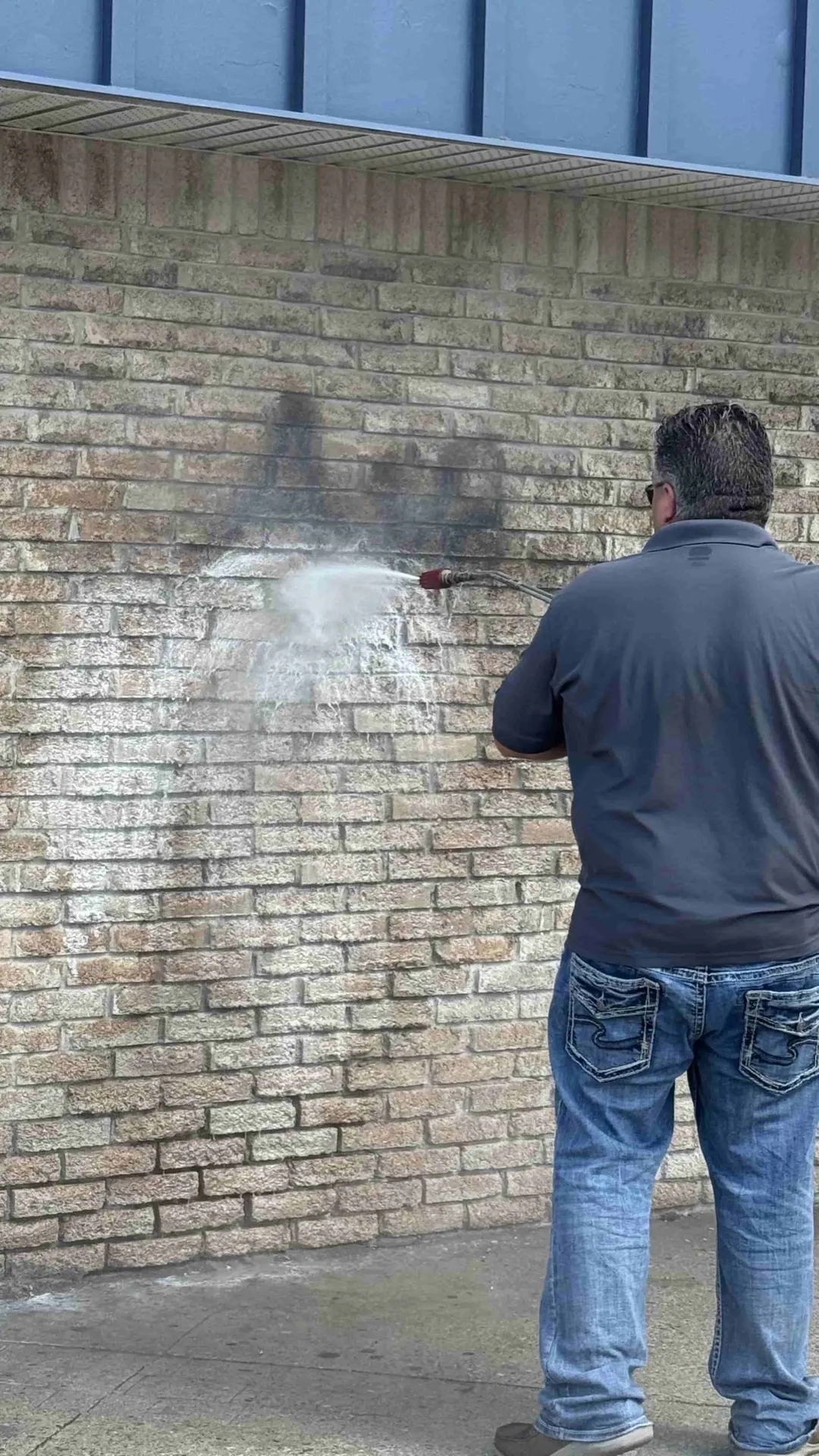
Hot water sounds like the stronger option, but for most houses it solves a problem you do not have. Here is what heat changes, which common jobs suit cold or hot water, which surfaces heat can damage and clear rules for choosing.
In This Article
What heat changes, and what it does not
A pressure washer cleans with force and a large volume of water. A hot-water machine adds a burner that heats the water on its way to the wand. The pressure stays the same. What changes is how the water treats the soil.
- Heat thins grease and oil, so they loosen and rinse away faster.
- Heat softens gum, wax and sticky adhesives.
- Heat speeds up detergents, which generally work faster when warm.
- Heat adds no force. Mud, pollen, algae film and salt come off because of the jet, and cold water does that job well.
A hot-water unit is also a bigger and costlier machine, with fuel, a burner and more to maintain. That is why it belongs on jobs where heat earns its keep.
Job by job: cold or hot
| Job | Cold water enough? | Does hot water help? |
|---|---|---|
| Dust, mud and pollen on a concrete driveway | Yes, ideally with a surface cleaner | Not needed |
| Algae and moss on walks, steps and patios | Yes, with a cleaner and its dwell time | Not needed |
| Salt film on the garage apron | Yes | Not needed |
| A fresh oil drip on concrete | Yes, after absorbing and degreasing | Helps rinse out what the degreaser loosened |
| Old, deep oil on a garage floor | Only partly | Yes, as a rinse after a degreaser |
| Chewing gum on a walkway or entrance | Slow going | Yes |
| Greasy bin pads, barbecue areas and restaurant patios | Struggles | Yes |
| Wood deck or fence | Yes, at low pressure | No, avoid heat |
| Asphalt driveway | Yes, at low pressure | No, avoid heat |
| House siding, stucco or roof | Neither: these are soft wash jobs | No |
Driveway or patio seen better days?
We pressure wash driveways, patios, decks and walkways across Kitchener, Waterloo, Cambridge & Guelph. Free, no-obligation quotes, ready within 1 business day.
Where heat causes damage
- Asphalt. Heat softens the binder that holds the stone together, and a jet on softened asphalt gouges it.
- Vinyl siding and fences. Plastic softens and can warp or distort.
- Painted, stained or sealed surfaces. Heat combined with force lifts coatings that cold water might have left alone.
- Rubber seals, gaskets and plastic trim. These age faster when repeatedly heated.
- People and pets. Hot spray scalds, and a stream that hurts at close range hurts more when it is hot.
Heat is a tool for greasy, sticky soil on tough surfaces such as concrete. Applied to a delicate surface, it turns a cleaning job into a repair job.
Cost, fuel and Ontario weather
Heating the water takes fuel and time, and the burner produces exhaust, so hot-water machines should be used outdoors with good airflow. A quote for hot-water work can reflect that extra equipment. For a homeowner buying or renting a machine, hot water adds cost and complexity for a benefit that only a few jobs need.
Ontario weather is the other trap. Hot water cools quickly in cold air, and runoff still freezes on steps and slabs, so heat does not make winter washing safe. The same weather rules apply either way: stay comfortably above freezing during the wash and for hours afterwards. The guide to when hot water pressure washing matters adds more detail, and garage floors are covered in how to pressure wash a garage floor.
Choose cold if, choose hot if
Choose cold water if the soil is dirt, mud, algae, mould, pollen or salt, if the surface is wood, vinyl, painted or asphalt, or if the job is an ordinary house, driveway and walkway clean. That covers most home jobs.
Choose hot water if the soil is oil, grease, wax, gum or sticky residue on concrete or another heat-tolerant surface, or if the site is a commercial one with greasy bin pads, patios and loading areas.
Choose a different method if the surface is siding, stucco, a roof or old masonry. Low pressure and a cleaning mix work there, and neither temperature is the answer.
Questions to ask before you book
- Will hot water be used on my job, and on which surfaces?
- What degreaser or detergent goes on first, and how long does it dwell?
- Which surfaces will be treated with a gentler method?
- How is oily rinse water captured and kept out of storm drains?
Mention stains such as oil, gum or paint when you request a quote, so the method can be planned before the day. Pressure washing at D&D begins at $350 for a typical Kitchener-Waterloo house, and the price is confirmed in writing first.
Key Takeaways
- Hot water thins grease and softens gum and adhesives, but it adds no cleaning force, so most dirt, algae and salt jobs need only cold water.
- Use hot water for oil, grease, wax and gum on heat-tolerant surfaces such as concrete, and for greasy commercial areas.
- Heat can warp vinyl, soften asphalt and lift paint, stain and sealers, so keep it off delicate surfaces.
- Hot water does not make winter washing safe, since runoff still freezes, and a burner should be used outdoors with good airflow.

Request a home-service quote
Select the service you need and describe the work area and access.