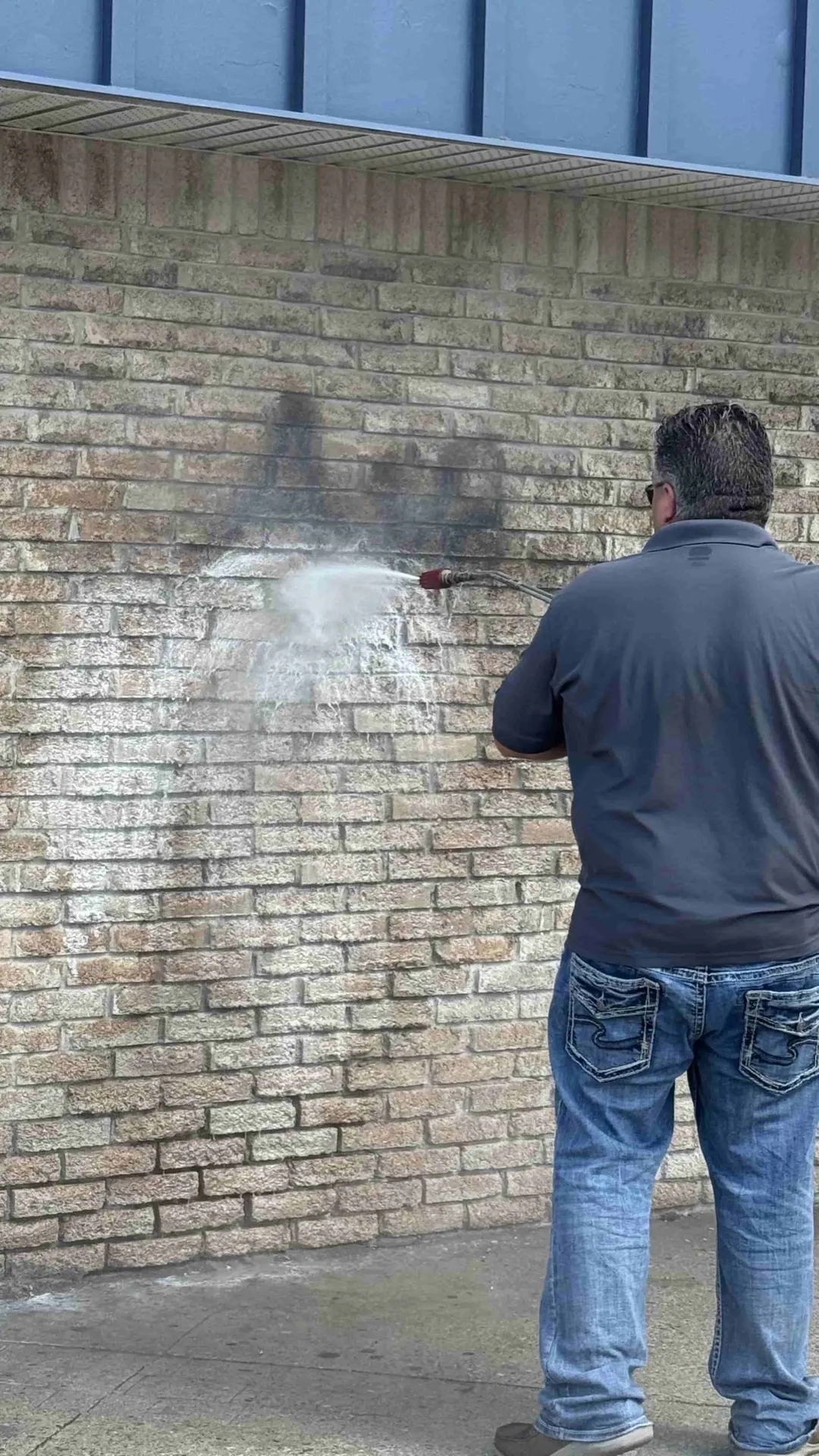
A pressure washer looks like a garden tool and behaves like an industrial one. What follows covers what can go wrong, from injection injuries to electric shock and falls, the habit that prevents each hazard, a checklist to run before you squeeze the trigger and what to do if someone is hurt.
In This Article
The injury that looks small and is not
The worst pressure washer injury rarely looks dramatic. A close jet can force water, dirt or cleaning product through the skin. The wound is often a small mark with hardly any bleeding, while the damage underneath can be serious.
Any contact between the jet and skin at close range is a reason to get medical help straight away. Say it was a pressure washer, and do not wait to see whether it swells. To prevent it:
- Never point the wand at a person, a pet or your own foot, and never test the spray with a finger.
- Keep the trigger lock on whenever you are not actively spraying.
- Wear closed, sturdy footwear and gloves, and keep everyone else well back.
Seven hazards and the habit that stops each
- Kickback. The wand jerks when you squeeze the trigger, and a narrow tip at full flow can pull you off balance. Plant your feet, use both hands and start with the widest tip.
- Electric shock. Water meets power through a damaged cord or a wet connection. Use a GFCI outlet and an outdoor-rated cord, and keep plugs off wet ground.
- Carbon monoxide and fire. A gas engine gives off exhaust, and fuel spills can ignite near hot parts. Run it outdoors only, away from doors and windows, and refuel when the engine is off and cool.
- Slips and falls. Wet concrete, algae and hoses underfoot, or ice in cold weather, can put you on the ground. Wear non-slip boots, route the hose clear of your path and never wash near freezing.
- Debris and noise. Gravel, paint chips and grit fly back, and a gas engine is loud. Wear eye protection, long pants and closed shoes, plus hearing protection with gas machines.
- Chemicals. Detergents and bleach-based products burn skin and eyes, and some react with each other. Read the label, wear gloves and eye protection and never mix products.
- Power lines and fixtures. Spray can reach the meter, an outlet, a light fixture or the service mast. Keep water away from electrical equipment and stay clear of overhead lines.
The Electrical Safety Authority explains ground fault protection and safe outdoor cord use on its outdoor safety page.
Driveway or patio seen better days?
We pressure wash driveways, patios, decks and walkways across Kitchener, Waterloo, Cambridge & Guelph. Free, no-obligation quotes, ready within 1 business day.
A set-up checklist before you squeeze the trigger
- Read the manual, including the warnings, and check the maximum pressure any tip or hose is rated for.
- Inspect the hose, wand, trigger and fittings. Replace anything cracked, bulging or leaking.
- Clear the area of children, pets, cars and loose items, and close nearby windows and doors.
- Connect the water first and let it run through the machine until the flow is steady, so the pump is never starved of water.
- Test the spray on the ground, away from you, before it goes near a surface.
- Put on your gear: eye protection, gloves, sturdy non-slip shoes and long pants.
- Begin with the widest tip and a generous distance, then step closer only as the job demands.
- When you finish, shut off the engine or power, squeeze the trigger to release pressure and only then disconnect anything.
Ladders, heights and things not to spray
Never operate a pressure washer while standing on a ladder. The recoil can knock you off, and one hand is not enough to hold both the ladder and the wand. Use an extension wand from the ground, or leave the high work alone. When you do climb for anything else, keep three points of contact, set the ladder on firm, level ground and keep your belt buckle inside the rails. Ontario's Working at Heights training exists for workers and is not a homeowner requirement, but the habits are worth copying. The ladder safety guide for exterior maintenance goes further.
Some things should not be sprayed at all:
- Windows, where a jet can crack glass or drive water past the frame.
- Outlets, meters, service masts and outdoor light fixtures.
- Air conditioner fins, dryer vents and attic vents.
- Wasp nests under the eaves. Check before you start.
- Old paint. It may contain lead, so do not blast chips into the soil.
If something goes wrong
- Jet contact with skin: get emergency medical help, even if the mark looks minor.
- Cleaning product in the eyes: rinse with clean water for at least 15 minutes and get medical advice.
- Headache, dizziness or nausea near a gas engine: get everyone into fresh air, shut the machine off and call 911.
- Electric shock: switch off the power at the breaker if you can do so safely, do not touch the person while they are still in contact with the source, and call 911.
Sometimes the safest choice is to hand the job over. Anything high, anything near power lines and anything on delicate siding is better left to a trained crew. D&D's crew members are Working at Heights certified, and its pressure washing starts from $350 for a typical Kitchener-Waterloo home. You get a free written quote before anything starts.
Key Takeaways
- An injection injury can look like a tiny mark, so any jet contact with skin needs medical help straight away.
- Kickback, shock, carbon monoxide, slips, flying debris, chemicals and utility hazards each have a simple habit that prevents them.
- Inspect the hose, connect water first, test the spray on the ground, wear proper gear and start with the widest tip.
- Never use a pressure washer from a ladder, and leave heights, power lines and delicate surfaces to a trained crew.
Sources & References

Request a home-service quote
Select the service you need and describe the work area and access.