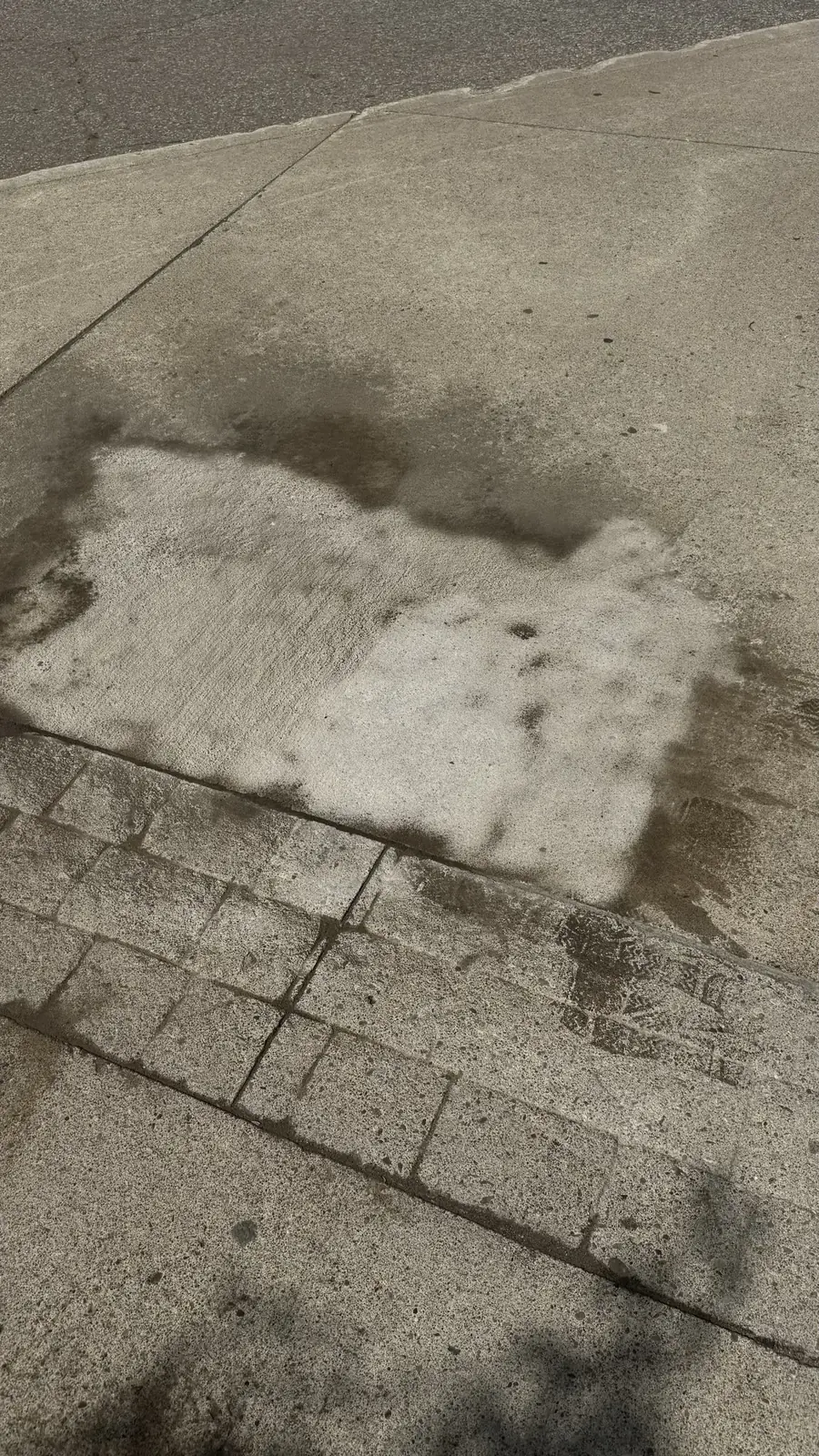
Brick homes are common in Kitchener-Waterloo, from the old-growth brick of Galt's heritage district to the decorative brick facing on modern builds in newer subdivisions. When these surfaces get dirty, the question of pressure washing comes up. The answer is yes, but technique matters significantly more than it does for non-masonry surfaces.
In This Article
Yes, With the Right Approach
Brick itself is quite durable and can tolerate pressure washing when the correct settings and technique are used. The critical variable is mortar, the compound between bricks is significantly softer and more porous than the brick face and can be damaged by excessive pressure or a direct perpendicular spray. Technique and pressure setting are what determine whether a brick cleaning goes well or causes damage.
The Mortar Risk
New mortar (under 10 years) is reasonably robust. Original mortar on older brick homes, particularly homes built before 1960 in KW's heritage neighbourhoods, can be quite soft, especially if it has already been compromised by water infiltration or freeze-thaw cycling. Very old soft mortar can be damaged by moderate pressure. Before pressure washing an older brick home, tap along the mortar joints with a small tool and listen for hollow sounds, this indicates existing mortar failure that pressure washing would worsen.
Driveway or patio seen better days?
We pressure wash driveways, patios, decks and walkways across Kitchener, Waterloo, Cambridge & Guelph. Free, no-obligation quotes, ready within 1 business day.
Check the Brick Manufacturer's Instructions
Do not use a single pressure setting for every brick wall. The Brick Industry Association advises consulting the brick manufacturer before pressure cleaning and warns that high-pressure cleaning can damage brickwork. Select the pressure, nozzle, distance, cleaner and application direction for the identified brick and mortar, following the manufacturer's instructions. Confirm the proposed method in a suitable test area before proceeding.
Pro Tip: Test the proposed method on a small, inconspicuous area representative of the brick and mortar being cleaned. Assess the result before treating a wider area; a test on a different foundation material does not establish compatibility with the wall.
Assess the Method for Older Masonry
Lower pressure alone does not establish that a cleaner is suitable for brick or damaged mortar. Match the cleaning method and chemicals to the masonry and staining, starting with the gentlest appropriate method. The Brick Industry Association recommends restoration-specialist oversight for historic structures; do not treat soft washing as an automatic choice for heritage masonry.
After Washing
After pressure or soft washing brick, allow to fully dry (48–72 hours) before inspecting mortar condition. Any mortar that was marginally intact before washing may now be visibly loose. This is an opportunity to tuck-point (re-apply mortar) before winter. Contact D&D Home Services for professional brick washing across KW.
Key Takeaways
- ✓ Professional service saves time and delivers better results than DIY
- ✓ Regular maintenance protects your home's value and curb appeal
- ✓ D&D Home Services proudly serves Kitchener-Waterloo and surrounding areas
- ✓ Get a free no-obligation quote, call or book online anytime

Pressure washing quote (from $350)
Tell us the surface, such as driveway, patio, deck or walkway, and its rough size.