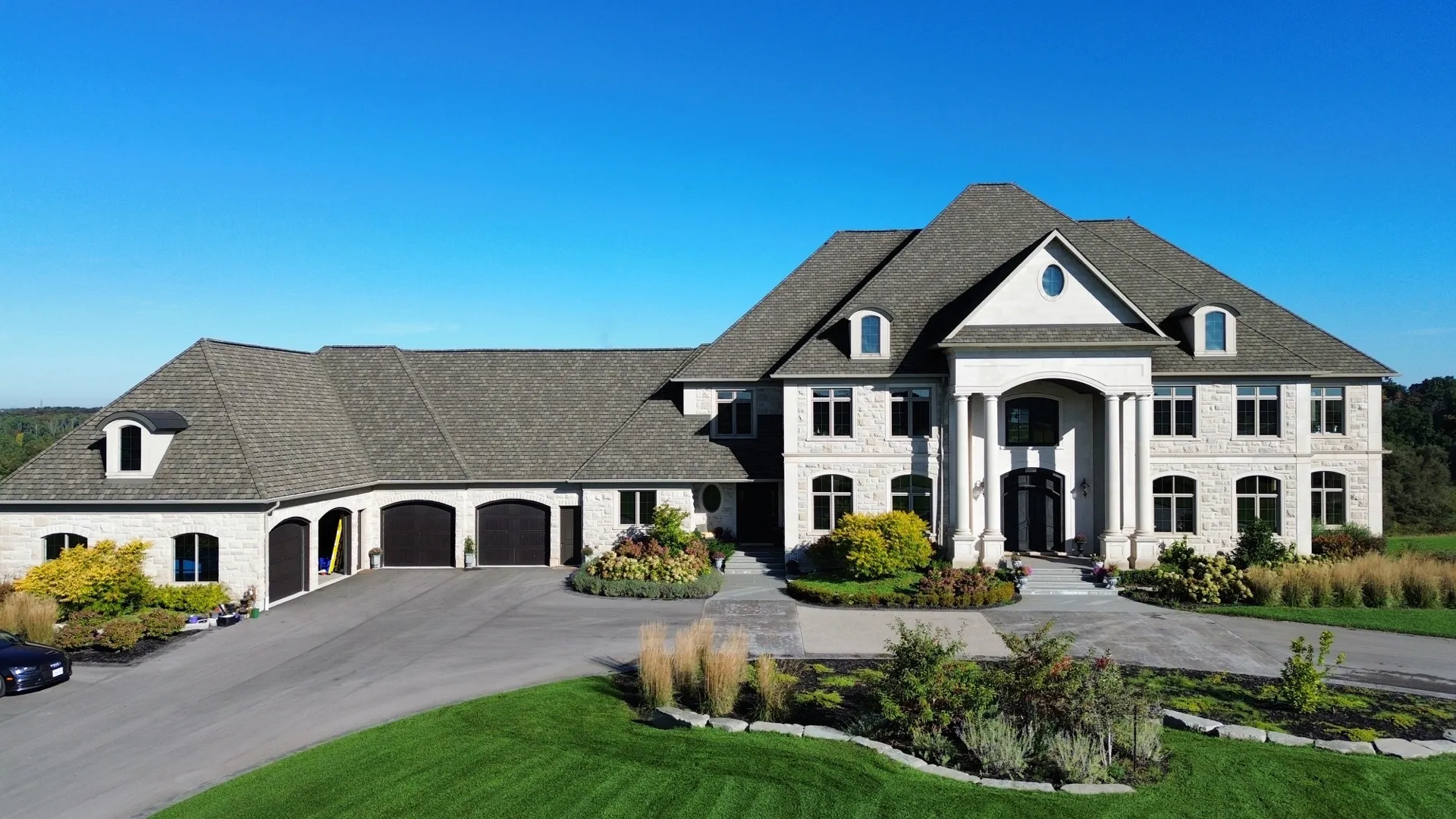
A quality exterior paint job on an Ontario home costs $4,000 to $12,000 or more, depending on the size and complexity of the home. With that kind of investment, extending the life of your paint from 7 years to 12 years isn't just aesthetically satisfying, it's thousands of dollars of savings. The key is annual inspection, cleaning, and targeted maintenance before small problems become big ones.
In This Article
- Why Exterior Paint Fails Prematurely
- Annual Inspection Checklist: What to Look For
- Cleaning: The Most Impactful Maintenance You Can Do
- Caulking and Sealing: The Paint's First Line of Defence
- Touch-Up Techniques: Addressing Small Problems Before They Grow
- When to Repaint: Reading the Signs
- Preparing for Repaint: Setting Up for Maximum Longevity
Why Exterior Paint Fails Prematurely
The Ontario climate is particularly hard on exterior paint. The combination of UV radiation from long summer sun exposure, dramatic temperature swings (from -25°C in winter to +35°C in summer), high humidity, and the freeze-thaw cycles that assault every surface creates an environment where paint is under constant physical and chemical stress.
The most common causes of premature paint failure in Ontario include:
- Mildew and algae growth: The most common cause of early paint failure in KW. Organic growth, particularly on north-facing and shaded surfaces, produces acids that break down the paint film from below. Paint that looks faded and grey is often actually covered in a thin layer of algae. Soft washing removes this growth and dramatically extends paint life.
- Moisture infiltration: When water gets behind the paint film, through failed caulking, open joints in siding, or inadequate primer on raw wood, it causes bubbling and peeling from the surface. This is the most destructive failure mode because it often hides structural moisture damage behind it.
- UV degradation: South and west-facing surfaces receive the most intense UV radiation in Ontario. UV breaks down the polymer chains in paint binders, causing chalking (a powdery surface residue), fading, and gradual loss of film thickness. High-quality exterior paints contain UV stabilizers; cheaper paints fail this test quickly.
- Inadequate surface preparation before painting: A paint job that didn't include proper cleaning, sanding of existing paint, priming of bare wood, and careful caulking is almost guaranteed to fail early. This is often a false economy, saving money on preparation costs the same amount in a premature repaint.
- Application in wrong conditions: Paint applied in cold weather (below 10°C), high humidity, or direct intense sun doesn't cure properly. The result is a film that doesn't bond well and fails years before it should.
Pro Tip: Run your hand across a painted exterior surface. If it comes away with a white or chalky residue, your paint is chalking, a UV degradation sign that indicates it's approaching end of life but hasn't yet failed. Chalking surfaces still hold paint well if properly cleaned before repainting.
Annual Inspection Checklist: What to Look For
An annual visual inspection in spring, when winter's toll is visible and warm weather allows for close examination, catches problems early enough to address them affordably. Bring a screwdriver for probing suspicious soft spots and a flashlight for shadowed areas.
What to look for and what it means:
- Bubbling or blistering paint: Moisture behind the paint film. Find the water source (failed caulk? Gutter overflow? Missing flashing?) before repainting, or the problem will return.
- Peeling or flaking paint: Adhesion failure, either moisture behind the film or inadequate surface preparation when last painted. Scrape and prepare all peeling areas thoroughly before touch-up.
- Cracking paint (alligatoring): The paint film has lost flexibility and cracked in a pattern resembling alligator skin. This is common on south-facing surfaces with heavy UV exposure and indicates the paint has exceeded its useful life. The area will need to be stripped to bare substrate and repainted.
- Fading or color change: Normal UV degradation. Uniform fading is cosmetic; patchy fading suggests areas where the paint film is thinner and more vulnerable.
- Black or green staining: Algae or mildew growth. Clean with a soft washing treatment before the growth degrades the paint beneath. Do not pressure wash at high pressure, this can drive moisture into the wall and damage the paint film.
- Soft or spongy siding under the paint: Probe with a screwdriver along the bottom edges of lap siding, around windows and doors, and at any previously bubbled or peeling area. Soft wood indicates moisture damage that goes deeper than the paint. This is a structural issue that needs attention before repainting.
Need a hand with your home's exterior?
From gutters and windows to full exterior washes, we help homeowners across Kitchener, Waterloo, Cambridge & Guelph. Free, no-obligation quotes, ready within 1 business day.
Cleaning: The Most Impactful Maintenance You Can Do
The single most effective thing you can do to extend the life of your exterior paint is to keep it clean. Mildew and algae are not just cosmetic problems, they're active agents that degrade paint film. The acids produced by organic growth soften the paint binder, cause adhesion failure, and create pathways for moisture to enter the wall assembly.
Annual soft washing removes the organic growth that causes this damage. Soft washing, which uses low-pressure water combined with cleaning solutions that kill mold, mildew, and algae at the root, is superior to pressure washing for painted surfaces. High-pressure washing can breach the paint film, drive water behind clapboard siding, and strip paint from trim and moldings.
Soft washing treats the biological contamination rather than just washing its surface expression away. Results typically last 2-3 years before growth returns, compared to 6-12 months of improvement from pressure washing alone. For painted wood siding, fiber cement siding, and stucco, soft washing is the appropriate cleaning method.
Our soft washing service is specifically formulated to clean painted surfaces safely, removing mildew and algae without damaging the paint film or forcing moisture into the wall assembly.
Caulking and Sealing: The Paint's First Line of Defence
Paint is not a moisture barrier, it's a protective finish that relies on the substrate beneath it being properly sealed. The actual moisture barrier is provided by the caulking at all joints, penetrations, and intersections in the building envelope. When caulking fails, moisture enters and paint fails. It's that direct.
Standard paintable caulk has a lifespan of 5-7 years, though this varies significantly by product quality, location (joints that move a lot fail faster), and exposure. Re-caulking every 5-7 years is a reasonable maintenance interval for most Ontario homes.
Locations that require annual inspection and re-caulking when needed:
- All window frame perimeters where they meet siding or trim
- Door frames, especially along the top and sides
- Corners where two planes of siding meet
- Where siding meets the foundation or transition trim
- Around all exterior penetrations: light fixtures, pipes, electrical outlets, dryer vents
- The top edge of horizontal trim and window head casings (where rain runs off the roof and can sit)
- Butt joints in horizontal wood siding
Use a product appropriate for the joint: silicone or siliconized latex for exterior window perimeters (where movement occurs and paintability matters), urethane caulk for high-movement joints, and standard paintable acrylic latex for static trim joints.
Touch-Up Techniques: Addressing Small Problems Before They Grow
Small areas of peeling or failing paint addressed within the same season they appear are cheap to fix. Left through an Ontario winter, those same areas are 3-5 times larger in spring, and the damage beneath them has extended further. The math of prompt touch-up is compelling.
Proper touch-up process:
- Scrape thoroughly: Use a flexible scraper to remove all loose paint in the damaged area and feather the edges of sound paint surrounding it. Sound paint should not be lifting; if it is, the problem area is larger than it appears.
- Sand edges smooth: Sand the scraped edges to reduce the visible transition between old paint and repaired area. Coarse then fine sandpaper.
- Prime bare wood: Any bare wood revealed by scraping must be primed before painting. Skipping primer is the most common cause of touch-up failures, bare wood absorbs the top coat unevenly and moisture can still enter through unprimed substrate.
- Match the sheen: Paint sheen affects how visible touch-ups are. Flat paint is forgiving; gloss paint shows any mismatch prominently. Try to use the same formula as the original paint.
- Apply two thin coats: Allow the first coat to dry completely before applying the second. Two thin coats have significantly better adhesion and durability than one thick coat.
Timing: touch up paint in the same season damage is found, when temperatures are above 10°C and rain is not imminent. October is the last window for fall touch-ups in Ontario before temperatures prevent proper cure.
When to Repaint: Reading the Signs
Annual maintenance extends paint life, but it doesn't last forever. Knowing when to commit to a full repaint, rather than continuing to chase problems with touch-ups, saves money in the long run.
Signs it's time for a full exterior repaint:
- Peeling or flaking paint covers more than 20-25% of any elevation
- Bare wood is visible in multiple locations
- Alligatoring covers significant areas of the surface
- The paint film has thinned to the point where the grain or texture shows through
- You're finding new peeling areas every season despite touch-up efforts
- The home was last painted more than 8-10 years ago and is beginning to show its age
At these thresholds, the labor cost of continuing touch-ups approaches the cost of proper repainting, and touch-ups at this point are just delaying the inevitable while allowing ongoing moisture exposure.
Preparing for Repaint: Setting Up for Maximum Longevity
When the time comes for a full repaint, the preparation phase is what determines whether the new job lasts 10 years or 15+ years. Don't let a painter skip the preparation to reduce costs, you're trading a lower quote for a shorter-lived result.
The critical preparation steps for maximum paint longevity:
- Soft wash or pressure wash the entire exterior: All mildew, algae, dirt, and chalking must be removed before painting. Paint applied over organic growth will fail prematurely regardless of quality. Allow the surface to dry fully, typically 3-5 dry days after washing.
- Scrape all loose paint: Every area of peeling or failing paint must be scraped to a firm, sound edge. Any paint left loose under the new coat will take the new paint with it when it fails.
- Repair damaged wood: Soft, rotten, or damaged wood must be repaired or replaced before painting. Wood filler and epoxy consolidants can address minor rot; significant damage requires board replacement.
- Re-caulk all joints: Fresh caulk at every joint as part of the repaint preparation. This is typically included by professional painters and should be.
- Prime all bare wood: Every area of bare wood must be primed before top coating. Oil-based primers provide superior penetration and adhesion on bare wood that has weathered or shows potential for moisture absorption.
Pressure washing before repainting is a service we provide specifically for homeowners preparing for exterior repaint. A thorough professional soft wash or pressure wash removes everything that would cause the new paint job to fail early, giving your painter a clean, sound substrate to work from. Contact us about our pre-paint soft washing service.
Exterior Paint Maintenance, Key Takeaways
- ✓ Annual soft washing is the highest-ROI maintenance: Removing algae and mildew annually prevents the degradation that cuts paint life in half.
- ✓ Re-caulk every 5-7 years: Failed caulking is the root cause of most bubbling and peeling paint, seal every joint before moisture gets in.
- ✓ Touch up small problems immediately: An area that costs $50 to touch up today costs $250 to address after one Ontario winter.
- ✓ South and west-facing surfaces fail fastest: Prioritize inspection and maintenance on the elevations that receive the most UV and weather exposure.
- ✓ Never skip preparation before repainting: Surface preparation is what makes the difference between a 7-year and a 15-year paint job.

Request a home-service quote
Select the service you need and describe the work area and access.