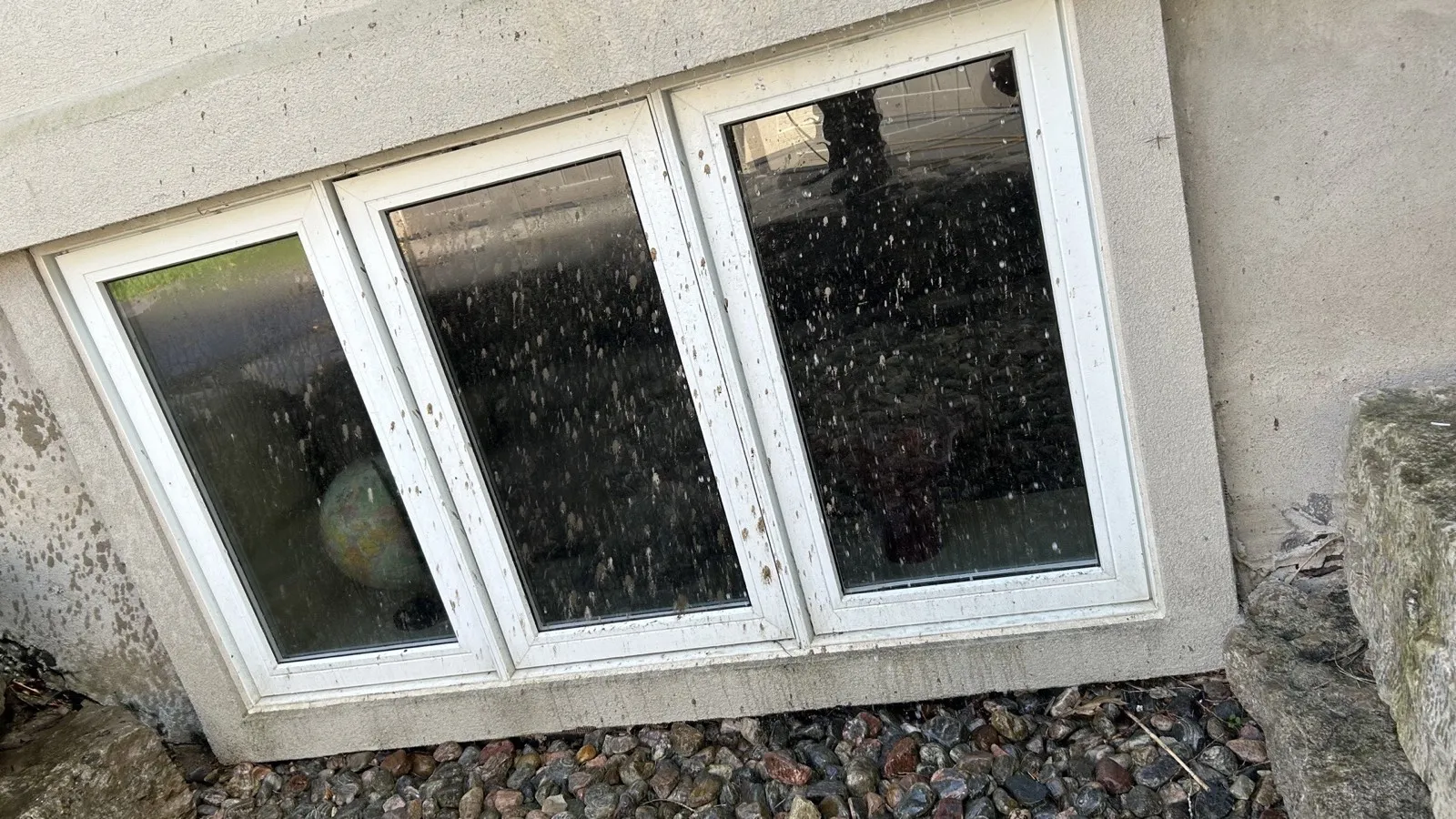
Streaky windows are one of the most frustrating cleaning outcomes, you put in the effort and somehow the glass looks worse in direct sunlight than before you started. Professional window cleaners achieve consistently flawless results not through magic products but through the right tools, proper solution ratios, and consistent technique. Here's what actually makes the difference.
In This Article
Why Windows Streak in the First Place
Streaks almost always come from one of three sources: residue left by the cleaning solution (soap films, cleaning agent residue), lint or fibres deposited by the cloth or paper towel used to dry the glass, or cleaning in direct sunlight where the solution dries on the glass before it can be wiped off.
The cleaning product matters far less than most people think. The technique and the drying method are where most streaking happens. Switching from Windex to a different spray rarely solves the problem, changing how you apply and remove the solution almost always does.
The One Tool That Changes Everything
Professional window cleaners use squeegees, not cloths, and this is the single biggest factor in streak-free results. A rubber squeegee blade removes solution from glass cleanly and completely with each stroke, leaving no fibre residue and no streaking.
For home use, a quality squeegee (Ettore or Unger brand, 12–18 inches wide) costs $15–$30 and will produce professional results on most windows. The blade should be fresh and free of nicks, a damaged blade creates streaks and drip lines. After each stroke across the glass, wipe the blade clean on a lint-free cloth before the next pass. Solution and debris that stay on the blade transfer straight back to the glass.
Streaky glass no matter what you try?
We clean interior and exterior glass to a streak-free finish for homes across Kitchener, Waterloo, Cambridge & Guelph. Free, no-obligation quotes, ready within 1 business day.
The Right Cleaning Solution
Professional window cleaners use simple dish soap, a few drops in a bucket of water, or a commercial window cleaning concentrate. The goal is a solution that loosens dirt without leaving residue. Heavily scented or conditioning soaps leave film. Dish soaps like Dawn or Palmolive (unscented) work well in small amounts.
If you're dealing with hard water mineral deposits, a diluted white vinegar solution (1:1 with water) is more effective than soap for dissolving mineral buildup. However, vinegar is not effective for regular dirt and grime, use it specifically for mineral staining on glass.
Pro Mix: Professional window cleaners typically use 1–2 drops of dish soap per litre of water. This is much less soap than most people use, which is exactly the point, excess soap leaves residue and is one of the leading causes of streaking.
Squeegee Technique: Two Methods That Work
The straight pull: Starting at the top of the glass, pull the squeegee across in a single horizontal stroke, dry the blade, and repeat in overlapping rows down the glass. Good for large flat windows and straightforward to learn.
The S-pattern (fan method): Starting at one corner, fan the squeegee in an S-motion across the glass. This is faster once mastered but requires practice to avoid drips at the edges. This is the technique most professional window cleaners use for speed on larger jobs.
Both methods work well. What matters most is keeping the blade clean between strokes and finishing the edges immediately with a clean detail cloth.
Edge and Corner Detail Work
After squeegeeing, run a clean, dry, lint-free cloth along all four edges of the glass to catch any water that pooled in the frame or ran down the sides. A flat-fold microfibre cloth works well for this. This step is what separates a "good" window clean from a flawless one.
Cotton rags and paper towels leave lint and fibres on glass. Use microfibre cloths exclusively for window cleaning detail work, they're reusable, absorb well, and don't leave residue.
Best Conditions for Cleaning Windows
Avoid cleaning windows in direct sunlight. Bright sun heats the glass and evaporates your cleaning solution before you can squeegee it off, leaving dried solution on the surface. Overcast days, or morning and evening when the sun isn't directly on the glass, produce far better results.
Extremely cold temperatures also cause problems, solution can freeze on the glass or dry too quickly on cold panes. The ideal range is between 10°C and 25°C with low humidity.
When Professional Cleaning Makes More Sense
For ground-floor windows on a single-storey home, DIY window cleaning with the right technique is straightforward and effective. For second-storey windows, skylights, or any window requiring a ladder or long extension pole, professional cleaning is safer and typically produces better results due to better equipment and technique control at height. Get My Free Quote from D&D Home Services, professional cleaning often costs less than you'd expect.
Key Takeaways
- ✓ Professional service saves time and delivers better results than DIY
- ✓ Regular maintenance protects your home's value and curb appeal
- ✓ D&D Home Services proudly serves Kitchener-Waterloo and surrounding areas
- ✓ Get a free no-obligation quote, call or book online anytime

Request a home-service quote
Select the service you need and describe the work area and access.