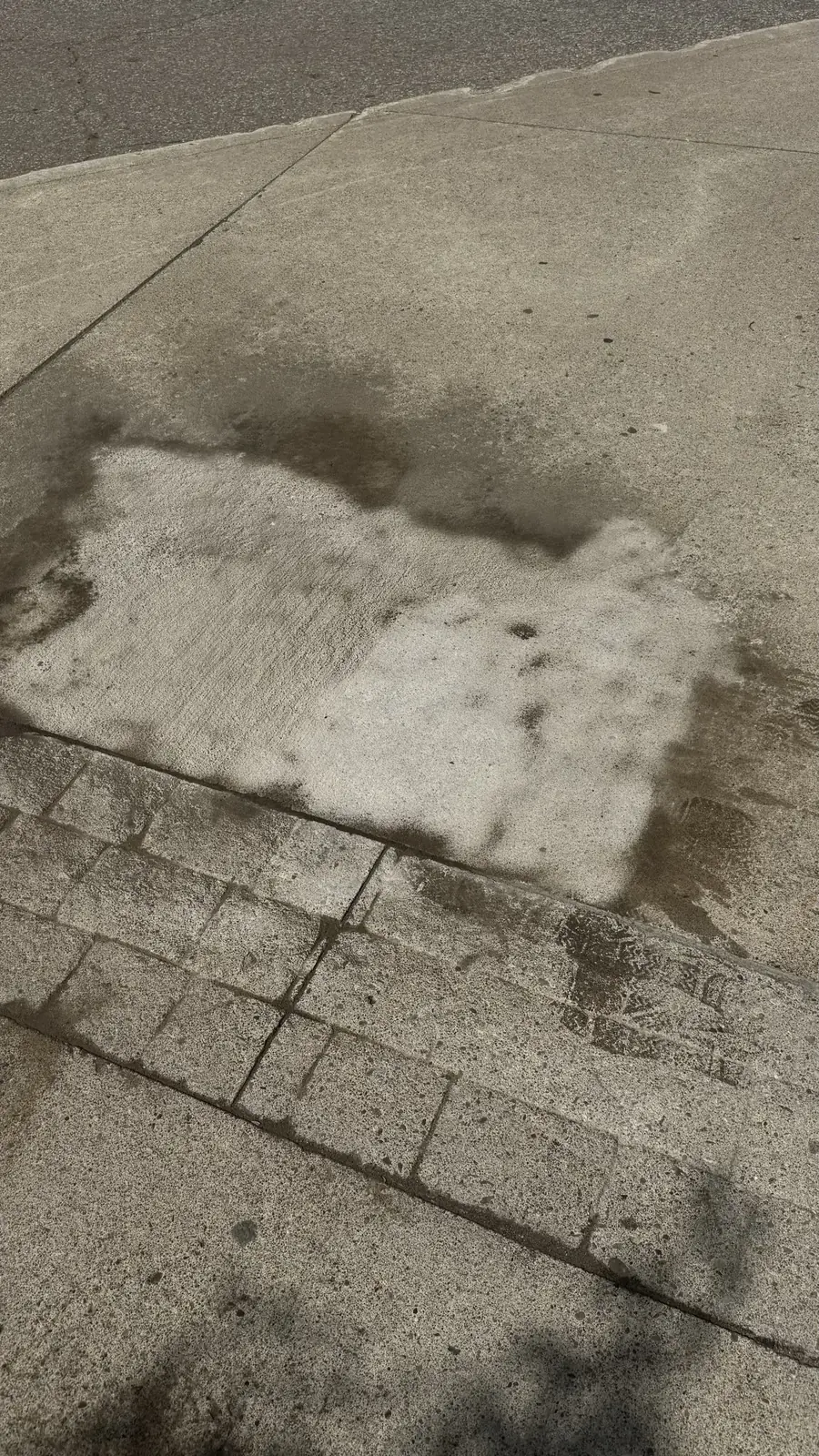
After a KW winter, driveways accumulate road salt residue, oil stains, tire marks, algae growth, and embedded grit that a garden hose simply cannot remove. Pressure washing restores your driveway to near-new condition and is an essential step before any sealing work. Here's what you need to know.
In This Article
Why Driveways Need Pressure Washing
Asphalt and concrete driveways in Kitchener-Waterloo face a specific set of challenges. Road salt, used heavily throughout the region during our 4–5 month winter season, crystallizes on driveway surfaces and accelerates surface deterioration. Oil and grease from vehicles penetrates both concrete and asphalt surfaces over time, creating dark staining and surface softening in asphalt. Algae and mould grow on driveways in shaded areas, creating slippery green film that's both unsightly and a slip hazard. Embedded grit from winter sanding creates abrasive surface texture that accelerates tire wear.
Concrete vs Asphalt Approach
Concrete driveways tolerate higher pressure washing intensity than asphalt. For concrete, a surface cleaner attachment, a spinning pressure washing disc that delivers consistent pressure across a wide path, produces much more uniform results than a straight wand. Surface cleaners eliminate the streaking and tiger-striping that manual wand pressure washing often creates on concrete. For asphalt, lower pressure (1500–2000 PSI) with a wider fan spray tip protects the softer asphalt surface from damage. High pressure on asphalt can strip the top aggregate layer and damage the binder.
Both surfaces benefit from the application of a cleaning pre-soak before pressure washing. This lifts embedded organic matter and oil deposits to the surface, allowing the pressure wash to remove them rather than just redistributing them.
Driveway or patio seen better days?
We pressure wash driveways, patios, decks and walkways across Kitchener, Waterloo, Cambridge & Guelph. Free, no-obligation quotes, ready within 1 business day.
Pressure Washing Before Sealing
If you're planning to seal your driveway, pressure washing is mandatory preparation, not optional. Sealer applied over a dirty surface traps contaminants beneath the coating, leading to premature failure and poor adhesion. A proper pre-seal pressure wash removes all surface contamination and opens the pores of the substrate for better sealer penetration. Allow 24–48 hours of dry time after washing before sealing.
Pro Tip: For oil stains on concrete or asphalt, apply a concrete degreaser or baking soda paste to the stain and let it sit for 30–60 minutes before pressure washing. This chemical pre-treatment dramatically improves stain removal versus pressure alone.
How Often Should You Pressure Wash Your Driveway?
Once annually in spring is the standard for most KW driveways, after winter deposits clear but before the summer season. Driveways with heavy vehicle use, significant tree coverage (creating organic staining), or that are approaching sealing time may benefit from twice-yearly washing. Driveways that were recently sealed don't need to be washed as frequently, the sealed surface repels most staining.
Professional vs DIY
Consumer pressure washers (1500–2000 PSI) are sufficient for light-duty driveway maintenance. Professional equipment (3000–4000 PSI, hot water capability, surface cleaner attachments) produces significantly better results on heavily soiled driveways. D&D Home Services provides professional pressure washing across Kitchener, Waterloo, Cambridge, and Guelph. Get your free quote today.
Key Takeaways
- ✓ Professional service saves time and delivers better results than DIY
- ✓ Regular maintenance protects your home's value and curb appeal
- ✓ D&D Home Services proudly serves Kitchener-Waterloo and surrounding areas
- ✓ Get a free no-obligation quote, call or book online anytime

Request a home-service quote
Select the service you need and describe the work area and access.