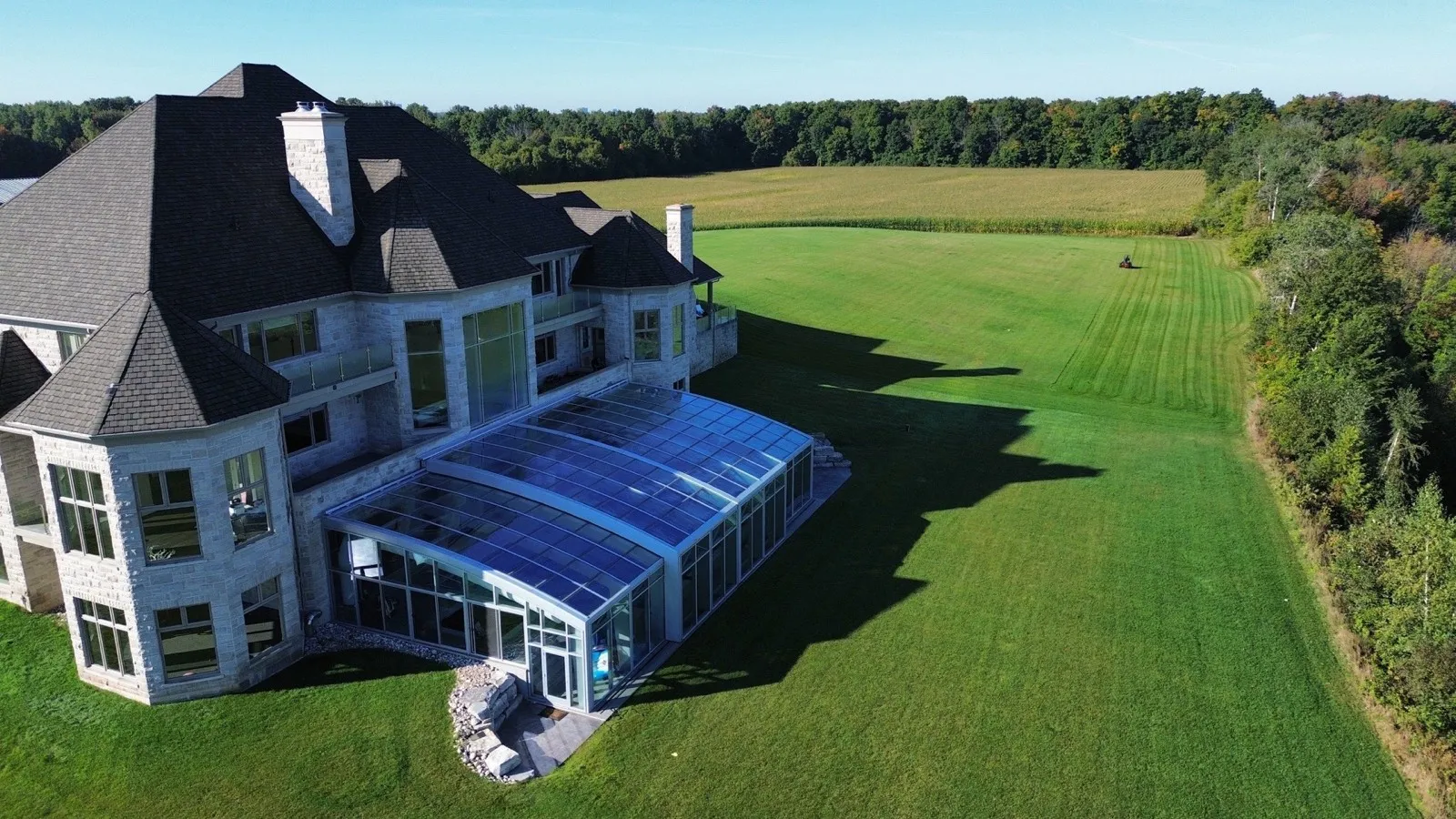
Most home exterior problems give you warning before they become expensive. A small gap in caulking, a slightly sagging gutter, a patch of peeling paint, these are signals that something needs attention. A twice-yearly exterior inspection catches these signals early, when the fix is cheap. Here's exactly how to do it yourself.
In This Article
Why Regular Inspections Matter
The case for twice-yearly home exterior inspections is simple: catching problems early is dramatically cheaper than catching them late. A $15 tube of caulk applied to a gap today costs $15. The same gap, ignored for three years, allows water infiltration that rots the framing beneath your window, a $1,500–$5,000 repair.
Ontario's climate makes this more important than in milder regions. Every freeze-thaw cycle widens existing cracks and gaps. Summer UV exposure degrades sealants and coatings. Winter ice can physically move structures. The damage accumulates gradually and invisibly, until it suddenly becomes visible and expensive.
The ideal schedule is twice per year: spring (April/May, after winter's stress) and fall (September/October, before winter begins). Each inspection takes 30–60 minutes with a notebook and, ideally, a pair of binoculars for the roof. No special skills are required, just systematic attention.
Roof Visual Inspection
Unless you're a professional or have specific safety training, do not walk your roof for inspection purposes. A pair of quality binoculars and a slow walk around the perimeter of your home reveals the vast majority of significant roof issues from the ground.
Look for the following from each vantage point:
- Missing or displaced shingles: Dark patches, irregular patterns, or areas where you can see bare sheathing
- Curling or lifting shingle edges: Shingles that cup upward at the edges are nearing end of life and vulnerable to wind lift
- Granule loss: Shingles that look smooth or lighter than surrounding areas have lost their protective mineral coating, check your gutters for granule accumulation after rain as a secondary sign
- Moss or lichen growth: Dark green or grey-green biological growth indicates moisture retention; moss particularly holds water against the shingles and accelerates deterioration
- Flashing at chimneys, skylights, and vents: Metal flashing should be flat and tight against the surrounding surface; gaps, rust, or lifted edges are entry points for water
- Ridge condition: The ridge cap shingles along the peak of the roof should be straight, intact, and of consistent height
- Valley integrity: The V-shaped channels where two roof planes meet are high-flow areas; any displaced or missing shingles here are a priority repair
Pro Tip: The best time to do a roof inspection from the ground is on a bright overcast day, harsh direct sunlight creates shadows that make it hard to assess shingle condition. Soft natural light reveals surface texture and granule coverage more clearly.
Need a hand with your home's exterior?
From gutters and windows to full exterior washes, we help homeowners across Kitchener, Waterloo, Cambridge & Guelph. Free, no-obligation quotes, ready within 1 business day.
Gutter and Downspout Check
Gutter inspection can be done from the ground visually and with a simple hose test. Here's a systematic approach:
Visual inspection from the ground:
- Look for sections sagging or pulling away from the fascia (hangers loose or broken)
- Look for gaps at joints, corners, or end caps, often visible as a dark stain on the gutter face below a leak point
- Check downspouts for visible damage, disconnected sections, or missing downspout extensions at the base
- Look at the fascia board behind the gutter, peeling paint or dark staining on fascia indicates water is getting behind the gutter and saturating the wood
Hose test: Run a garden hose into the gutter at the high end and watch what happens. Water should flow smoothly toward the downspout and exit cleanly at the downspout extension. Any overflow mid-run indicates either a clog or a pitch problem. Any leak at a joint, corner, or cap is visible. Downspout flow should be strong, a weak trickle indicates a clog in the downspout or elbows.
If your gutters overflow or leak during the hose test, professional gutter cleaning or repair is indicated. This test takes about 15 minutes and can save you from discovering these issues during a rainstorm when the damage is already happening.
Siding and Cladding Inspection
Walk every side of your home and look for the following:
Vinyl siding:
- Cracks, chips, or holes, these allow water and insects behind the panels
- Panels that have popped loose, are buckled, or have pulled out of their locking channels
- Dark staining or biological growth (algae, mold), indicates moisture issues; this is also a visual cue that soft washing is due
- Warping or buckling in specific sections, may indicate heat damage from a nearby reflective surface or underlying moisture
Painted wood siding:
- Peeling, cracking, or blistering paint, water is the almost universal cause; look for the moisture source (failed caulk, gutter overflow above, etc.)
- Soft or spongy areas when pressed, rot; this needs immediate professional attention
- Dark or discolored staining that runs vertically from window or door trim
Brick and mortar:
- Cracked, crumbling, or missing mortar (called "repointing" when repaired)
- Horizontal cracks in mortar courses or vertical cracks through bricks, these can indicate structural movement and should be assessed by a professional
- Efflorescence, white crystalline deposits on the brick face; indicates water is migrating through the masonry
Windows and Doors Inspection
Windows and doors are high-value inspection points because they're both major sources of water infiltration and major sources of heat loss.
- Exterior caulking: Run your eye along all the caulk beads around window and door frames. Look for gaps, cracks, or areas where caulk has pulled away from the frame or the wall. Caulk deteriorates from UV exposure and winter cycling, plan to re-caulk any gaps before winter.
- Window seal integrity: In double-pane or triple-pane windows, check for "fogging", condensation between the panes. This indicates the sealed unit has failed and is no longer providing its full insulation value. Failed seals don't repair; the glazing unit must be replaced.
- Frame condition: Wood frames should be firm to the touch, painted, and free from soft spots or rot. Painted aluminum or vinyl frames should be intact without cracks or separation at corners.
- Operation: Open and close each window. Sticking, binding, or difficulty latching can indicate frame movement (sometimes a structural signal), water-swollen wood, or hardware issues.
- Weatherstripping: Compress the weatherstripping on all exterior doors. It should compress evenly and spring back. Flat, torn, or missing weatherstripping allows significant air infiltration and should be replaced, it's an inexpensive DIY fix with a material cost under $20 per door.
Foundation and Grading Check
Foundation issues are the most serious potential finding in any home inspection. Most are manageable if caught early; many become very expensive if ignored. Here's what to look for from the outside:
- Visible cracks: Hairline cracks in poured concrete foundations are common and often not structural. Horizontal cracks are a more serious concern, they can indicate lateral pressure from soil. Stair-step cracks in block or brick foundations often indicate differential settlement. If you see any crack wider than 3mm or any horizontal crack, have it assessed by a structural engineer or foundation specialist.
- Water staining below grade: White staining (efflorescence) or dark discoloration on the visible portion of the foundation wall indicates water migration. This is a drainage problem, not a structural one, but it will worsen over time if not addressed.
- Grading direction: Stand back from each side of the house and look at the slope of the ground away from the foundation. The grade should slope away from your home, at least 1 inch per foot for the first 6 feet. If the ground is flat or slopes toward your foundation, water pools against your foundation during rain. This is one of the most common and most preventable causes of basement water infiltration.
- Downspout termination: Confirm every downspout extension directs water away from the foundation and onto a properly graded surface. Extensions that deposit water against the foundation wall defeat the entire eavestrough system's purpose.
"The two most valuable things homeowners can do for their home's long-term health cost almost nothing: inspect twice a year and act on what they find. The problems we see that cost $10,000+ to fix almost always had an obvious $100 warning sign years earlier that nobody addressed."
- Devon, D&D Home Services Founder
When to Call Professionals
Your DIY inspection establishes what needs attention, but not all findings should be DIY remediated. Here's when to call a professional:
| Finding | Professional Type | Urgency |
|---|---|---|
| Missing or damaged shingles | Roofing contractor | High, before next rain |
| Horizontal foundation crack | Structural engineer / foundation specialist | High, book assessment within weeks |
| Soft or rotted fascia/soffit | Exterior contractor | Medium, before next eavestrough cleaning |
| Overflowing or leaking gutters | D&D Home Services | Medium, before next rain event |
| Failed window sealed units | Window company | Low, plan for replacement; energy impact only until replaced |
| Biological growth on siding | D&D Home Services (soft wash) | Low-medium, address this season |
| Grade sloping toward foundation | Landscaper or contractor | Medium, before winter freeze |
For all exterior cleaning and maintenance findings, gutter cleaning, soft washingwindow cleaning, and eavestrough inspectionD&D Home Services provides free assessments and quotes throughout Kitchener, Waterloo, Cambridge, and Guelph. We're happy to walk your property with you and give you an honest assessment of what needs attention.
DIY Exterior Inspection: Your Cheat Sheet
- ✓ Inspect twice yearly - spring after winter stress, fall before freeze-up
- ✓ Roof: Use binoculars from ground; never walk the roof without training
- ✓ Gutters: Run a hose test; look for sagging, staining on fascia, downspout flow
- ✓ Siding: Look for cracks, gaps, biological growth, and paint failure
- ✓ Windows/Doors: Check caulking, weatherstripping, seal integrity
- ✓ Foundation/Grade: Ground should slope away from house; any horizontal crack needs professional assessment

Request a home-service quote
Select the service you need and describe the work area and access.