When it comes to cleaning your home's exterior in Kitchener-Waterloo, two methods dominate the industry: pressure washing and soft washing. Both deliver stunning results — but on very different surfaces. Using the wrong method can cause thousands of dollars in damage.
What Is Pressure Washing?
Pressure washing uses a high-pressure stream of water — typically 1,500 to 4,000 PSI — to blast away embedded dirt, oil stains, mold, mildew, and biological growth from hard surfaces. The cleaning power comes almost entirely from mechanical force.
Professional-grade pressure washing equipment can deliver water at over 200 km/h. That's enough force to strip paint, etch softwood, and dislodge roofing granules if used incorrectly. In the right hands, however, it transforms grimy concrete back to its original colour.
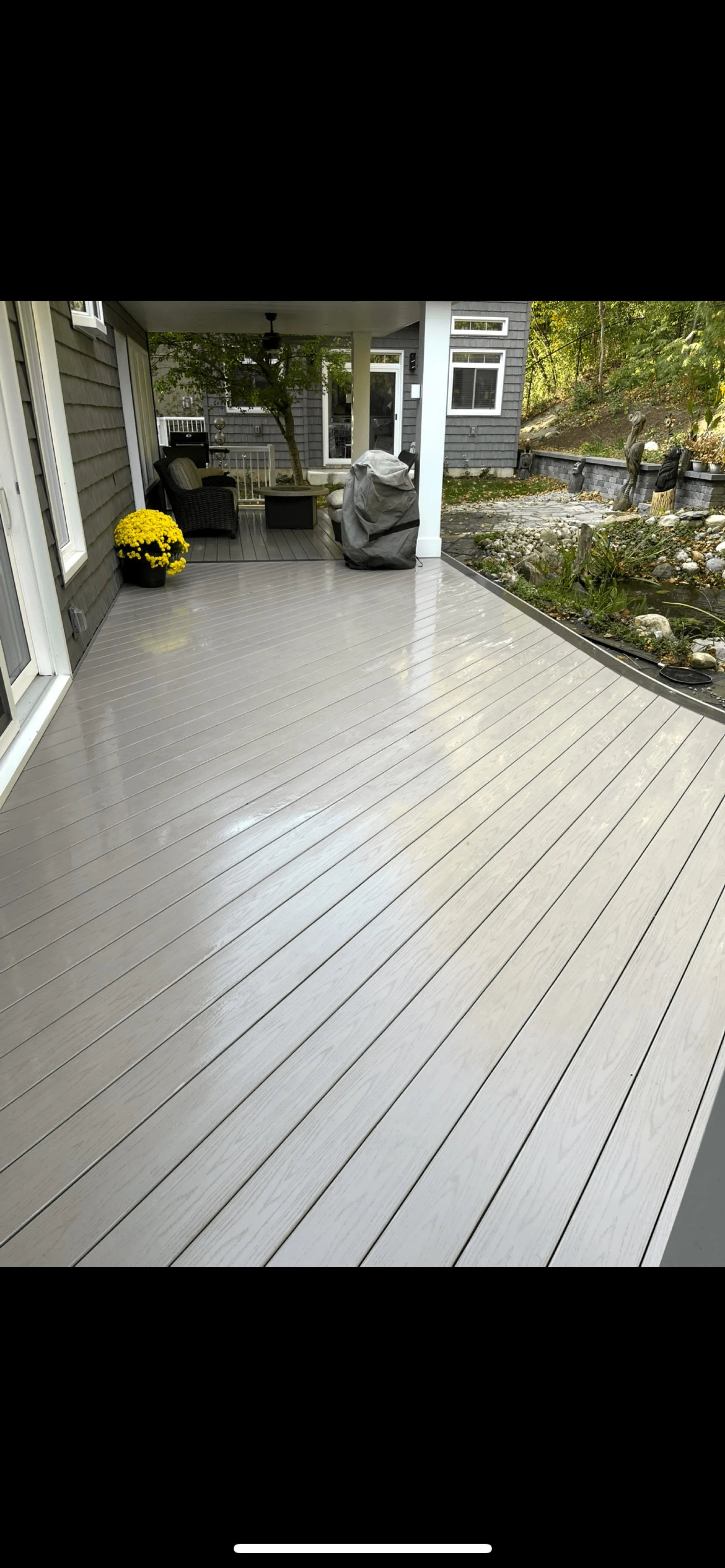
What Is Soft Washing?
Soft washing uses low pressure (similar to a garden hose — around 100 PSI) combined with specially formulated, biodegradable cleaning solutions. The chemistry does the work: surfactants lift grime while antimicrobial agents kill algae, mold, and mildew at the root level, preventing regrowth for months longer than pressure washing alone.
The process was developed specifically for surfaces that can't withstand high pressure: roof shingles, vinyl siding, painted wood, and stucco. It's now considered the industry standard for whole-house exterior washing.
"Soft washing doesn't just clean the surface — it eliminates the biological source of the staining, which means results last 4–6x longer."
— D&D Home Services, Certified Soft Wash Technicians
Key Differences at a Glance
| Factor | Pressure Washing | Soft Washing |
|---|---|---|
| Water Pressure | 1,500–4,000 PSI | 100–300 PSI |
| Primary Cleaning Agent | Mechanical force | Cleaning chemicals |
| Best For | Hard surfaces (concrete, brick) | Delicate surfaces (siding, roofs) |
| Result Duration | 6–12 months | 2–5 years |
| Damage Risk | High on delicate surfaces | Very low when properly diluted |
| Eco-Friendliness | Water only (no chemicals) | Requires biodegradable solutions |
Which Method for Which Surface?
Knowing which method to use is the most important decision in exterior cleaning. Here's the breakdown our technicians follow on every job:
- Concrete driveways & sidewalks: Pressure washing — hard aggregate can handle the force
- Brick & stone patios: Pressure washing (medium pressure to protect mortar joints)
- Vinyl siding: Soft washing — high pressure voids warranties and forces water behind panels
- Asphalt shingles: Soft washing only — pressure strips protective granules
- Cedar shake roofs: Soft washing only — pressure splits and accelerates rot
- Wood decks & fences: Low-pressure washing (under 600 PSI) with soft wash pre-treatment
- Stucco / EIFS: Soft washing — pressure cracks the surface and allows water infiltration
- Painted surfaces: Soft washing unless paint is already peeling
Pro Tip: Most whole-house exterior cleanings use both methods. Soft wash the siding and roof; pressure wash the driveway and front walkway. This is the approach D&D Home Services takes on every residential job.
Damage Risks of Using the Wrong Method
We get calls every season from homeowners who tried DIY pressure washing on the wrong surfaces. Here's what can go wrong:
- Vinyl siding: Cracked panels, water infiltration behind walls, mold growth in wall cavity, voided manufacturer warranty
- Asphalt shingles: Granule loss equivalent to 5–10 years of normal weathering in a single cleaning — this voids most roofing warranties
- Wood: Raised grain, splintering, fuzzing — requires sanding before any refinishing
- Stucco: Hairline cracks that allow freeze-thaw water damage over Ontario's cold winters
- Mortar joints: High-pressure water erodes mortar faster than natural weathering
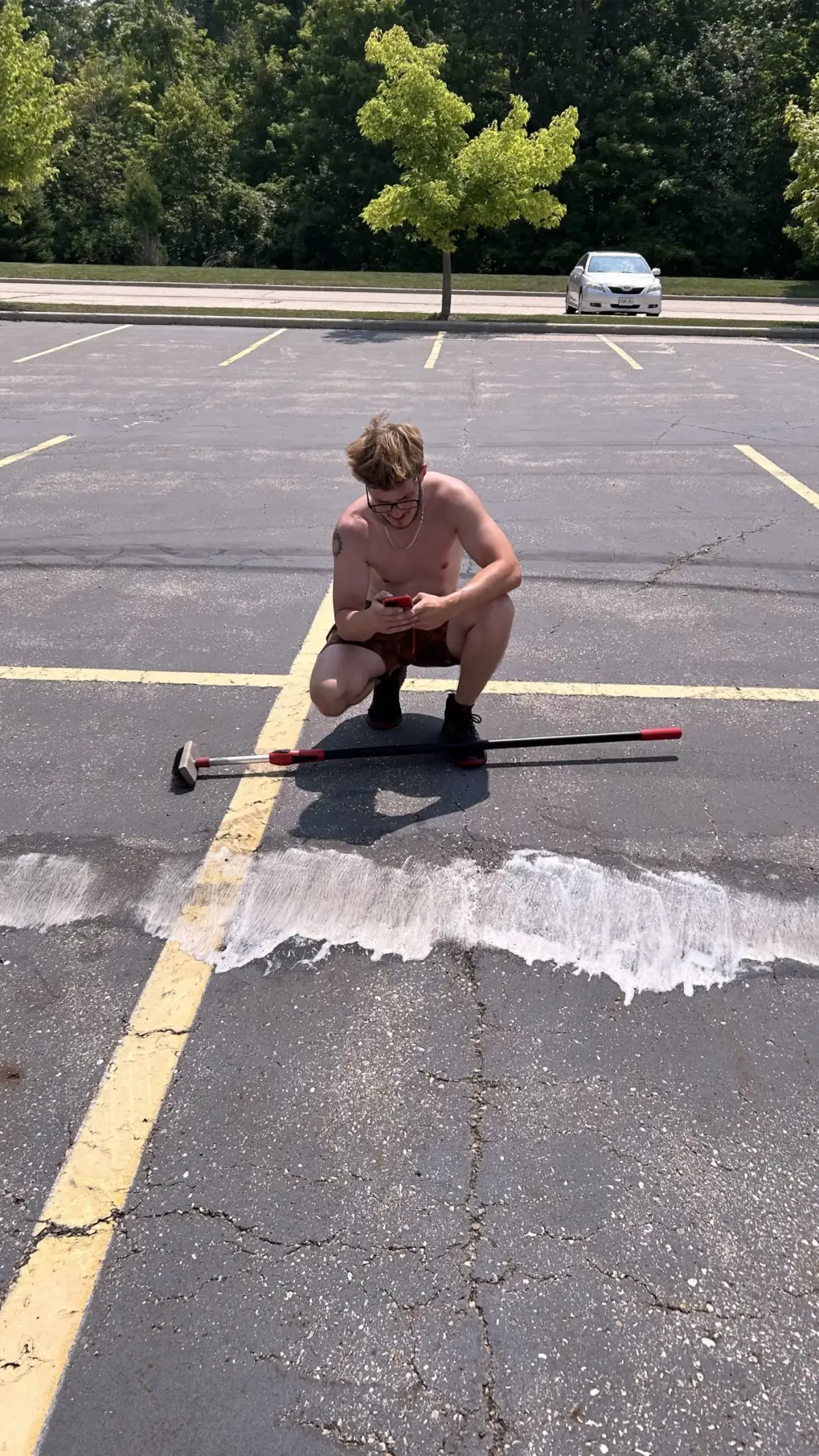
The D&D Approach: Right Method Every Time
At D&D Home Services, we assess every surface before we start. Our technicians are trained in both methods and carry professional-grade equipment for each. We never upsell a method that isn't appropriate for your surfaces.
All our cleaning solutions are biodegradable, pet-safe, and plant-safe. We rinse thoroughly to ensure no residue remains on landscaping or outdoor furniture. And we carry full liability insurance — so if something does go wrong (it very rarely does), you're protected.
Key Takeaways
- Pressure washing is for hard surfaces like concrete and brick
- Soft washing is for delicate surfaces — siding, roofs, painted wood
- Using the wrong method can void warranties and cause costly damage
- Professional assessment ensures the right method every time
- Most homes need both methods applied to different surfaces
Frequently Asked Questions
Can I rent a pressure washer and do it myself?
You can, but be careful. Rental units are often higher pressure than recommended for residential use. Without training, it's easy to cause permanent damage. For concrete driveways, DIY can work. For siding, roofs, or anything painted — call a professional.
How often should I have my home exterior washed?
In the Kitchener-Waterloo area, most homes benefit from an annual exterior wash in spring. Homes surrounded by trees or in shaded areas may need washing every 6–8 months to prevent algae buildup.
Are the chemicals used in soft washing safe?
At D&D, we use professional-grade biodegradable surfactants that are safe for pets, plants, and groundwater when properly diluted and rinsed. We always rinse landscaping before and after application.