The choice between concrete and asphalt for your driveway is one of the most common questions we field from Kitchener-Waterloo homeowners. Both materials have genuine advantages — and both behave differently under Ontario's specific climate conditions. Here's the honest comparison.
The Ontario Climate Factor
Ontario's climate creates specific challenges for driveway surfaces that aren't present in warmer regions. The combination of:
- 50–100+ freeze-thaw cycles per winter
- Heavy chloride de-icing salt application on roads (which gets tracked onto driveways)
- Temperature swings from -25°C to +35°C in a single year
- Significant ground frost heave in some soil conditions
...means that both materials require specific consideration for long-term performance. What works well in Georgia or California may fail prematurely in Kitchener.
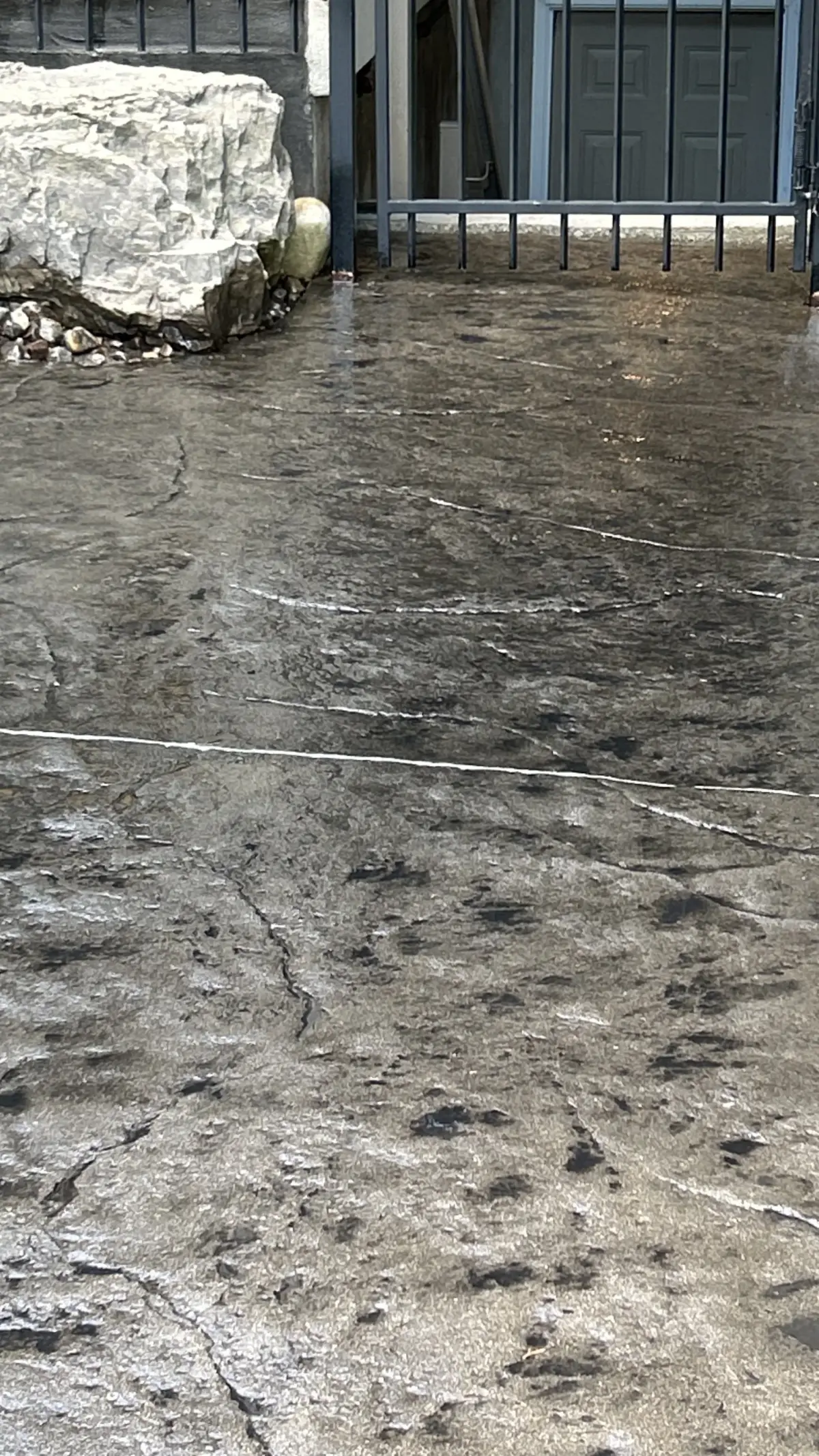
Concrete Driveways in Ontario
Advantages:
- Significantly longer lifespan: 30–50 years with proper installation
- Higher surface strength — handles heavy vehicle loads without rutting
- Reflects more solar heat — cooler underfoot in summer
- Doesn't soften in extreme heat (no rutting under heavy vehicles in summer)
- Can be decoratively finished (exposed aggregate, stamped, coloured)
- Generally adds more resale value than asphalt
Disadvantages in Ontario's climate:
- Salt damage: Chloride de-icing salts (calcium chloride especially) attack concrete chemically. Residential concrete must be protected from salt application — this is difficult when vehicles track road salt onto the driveway
- Freeze-thaw spalling: Water in surface pores freezes, and the expansion causes surface "pop-off" (spalling) — common in the first 1–3 years if the concrete wasn't air-entrained or cured properly
- Higher initial cost: Concrete is typically 50–75% more expensive than asphalt per square foot installed
- Longer cure time: 28 days before full load-bearing capacity — temporary inconvenience
- Cracks are permanent: Concrete cracks are structural and harder to repair invisibly
Asphalt Driveways in Ontario
Advantages:
- Better salt tolerance — salt doesn't chemically attack asphalt (though de-icers can deteriorate sealant)
- Flexible: asphalt is slightly flexible, which allows it to move with freeze-thaw ground movement without catastrophic cracking
- Lower initial cost
- Repairable and resealable — surface can be renewed multiple times
- Ready for use within 24–48 hours of installation
- Crack repair is less noticeable than concrete
Disadvantages:
- Shorter lifespan: 20–30 years with sealing maintenance (vs. 30–50 for concrete)
- Requires sealing every 3–5 years to maintain performance
- Softens in extreme heat — can be marked by car jack pads or high heels
- Fades from black to grey through UV oxidation
- Petroleum-based: not the most sustainable material option
Side-by-Side Comparison
| Factor | Concrete | Asphalt |
|---|---|---|
| Typical Ontario lifespan | 30–50 years | 20–30 years (with sealing) |
| Salt resistance | Poor (chemical attack) | Good |
| Freeze-thaw performance | Fair (risk of spalling) | Good (flexible) |
| Initial cost (250 sq ft) | $3,500–$6,000 | $2,000–$4,000 |
| Ongoing maintenance | Low (no sealing required) | Medium (sealing every 3–5 yr) |
| Curb appeal (new) | Excellent | Very Good |
| Heat performance | Better (stays cooler) | Fair (absorbs heat) |
Maintenance Requirements
Concrete: Seal with a penetrating concrete sealer every 2–3 years to protect against salt and moisture. Avoid calcium chloride de-icers entirely. Sand for traction instead of salt when possible. Pressure wash annually to remove surface staining.
Asphalt: Seal every 3–5 years with a commercial-grade coal tar emulsion. Fill cracks with hot rubberized filler before sealing. Pressure wash before each seal application. Avoid excessive concentrated loads (roll-off bins, heavy equipment) in warm weather.
Our Recommendation for Ontario Homeowners
Summary: Which Is Right for You?
- Choose asphalt if: budget is a primary concern, you're comfortable with regular sealing maintenance, or you're in a high-salt-exposure area
- Choose concrete if: you want maximum longevity, will strictly avoid de-icing salt, are installing decorative finishes, or are focused on maximum resale value
- Both materials perform well with proper installation and maintenance in Ontario's climate
- The most expensive driveway is the one that was installed incorrectly — invest in a reputable installer regardless of material